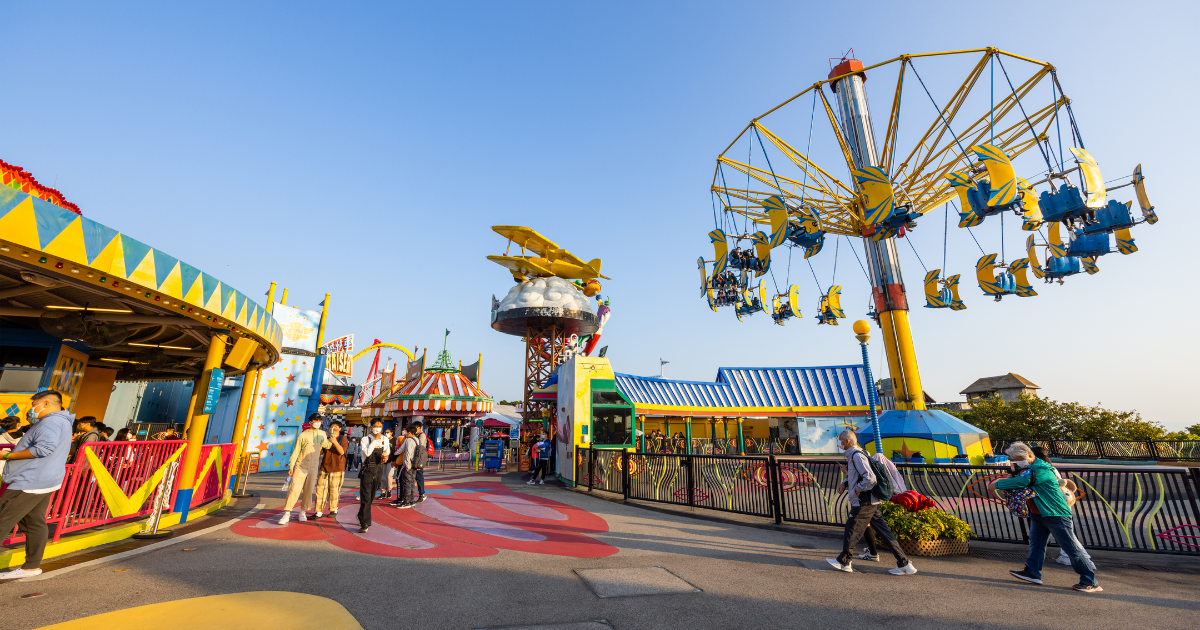
A week-long theme park trip for a family of four now regularly exceeds $8,000 to $12,000 once flights, lodging, tickets, food, and add-ons are included. That number is changing how families evaluate long-term recreation decisions, and in 2026 the conversation has shifted. It’s no longer about impulse travel, but now strategically planning to make sure every dollar spent is enjoyed to its fullest. Buyers are asking a different question:
Does it make more financial sense to spend on one-time experiences — or invest in something usable for years?
That’s where the idea of Return on Experience (ROE) becomes useful.
What Is Return on Experience (ROE)?
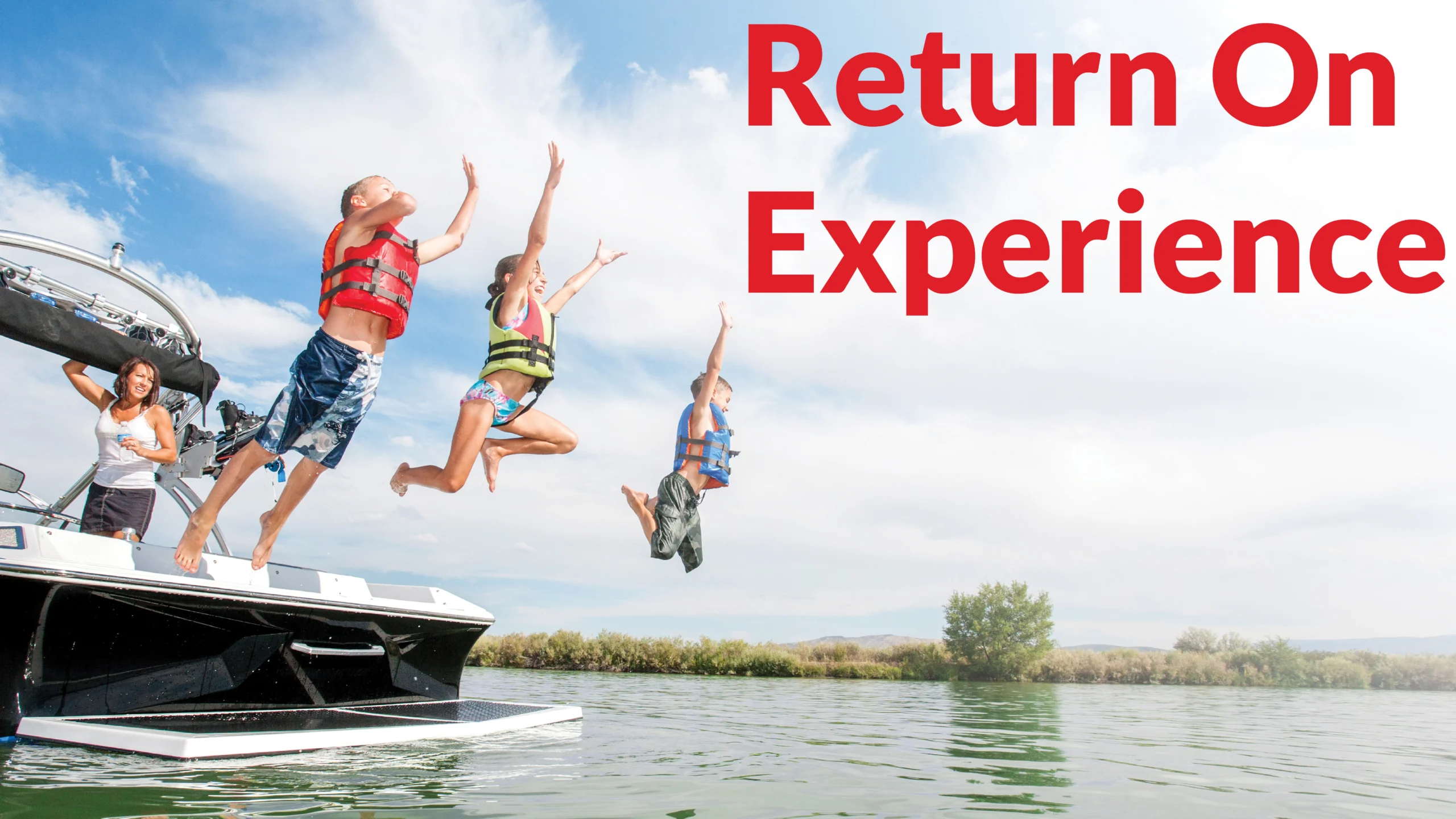
Return on Experience measures how much usable enjoyment an asset produces over time relative to what it costs. Unlike traditional investments, boats are depreciating assets, but unlike vacations, they hold resale value and can be used repeatedly. A theme park trip delivers a concentrated week of entertainment, while a boat delivers repeatable weekends, summers, and multi-year access.
The difference isn’t emotional. It’s structural.
What Does a Theme Park Vacation Actually Cost Over Five Years?
Using conservative numbers, one major trip per year can look like this:
- Flights: $2,000
- Lodging: $2,500–$4,000
- Tickets: $2,000+
- Food and extras: $1,500
- Transportation & incidentals: $500–$1,000
Estimated annual total: $8,500–$11,500
Over five years, that becomes $42,500–$57,500.
At the end of that period, there is no residual value. The capital has been fully consumed, but it doesn't have to be that way. It also doesn't make it wrong, but it simply means the money does not convert into an asset.
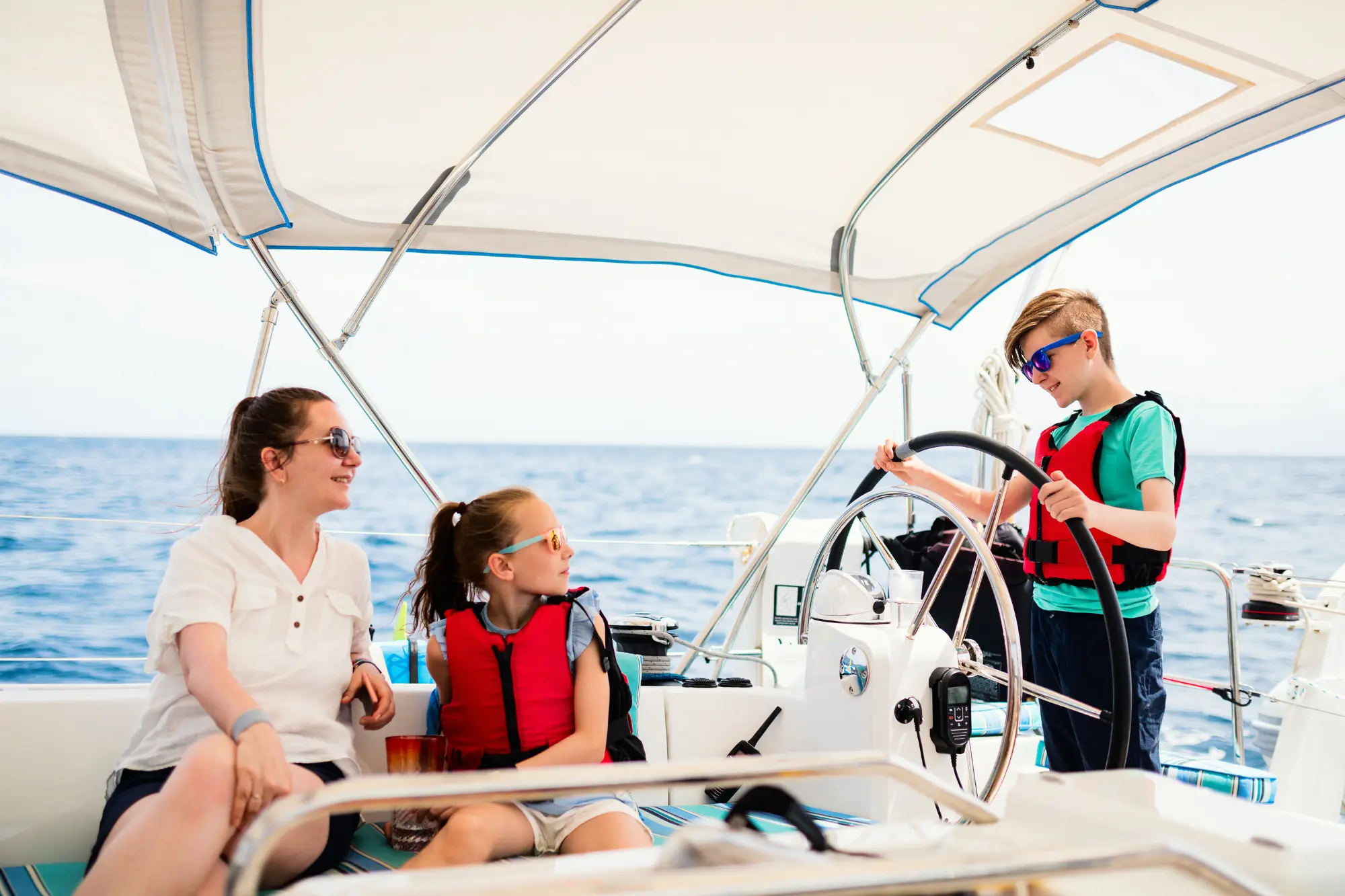
What Does Boat Ownership Look Like Financially?
A well-maintained 20–24 foot family runabout or deck boat typically falls in the $35,000–$55,000 range. Naturally, those numbers can change based on unit types and other features.
Down Payment & Loan Structure
Marine loans are secured installment loans. That means:
- The boat serves as collateral.
- Payments are fixed over a defined term.
- The balance declines as principal is repaid.
Loan-to-value (LTV) compares the loan amount to the boat’s market value. Lower LTV often strengthens approval structure and improves equity positioning.
Ongoing Ownership Costs
Boat ownership costs includes:
- Insurance
- Storage or marina fees
- Fuel
- Maintenance
- Registration
Annual operating costs often range between $2,000 and $4,000 depending on usage and location.
Unlike vacations, however, the asset maintains resale value.
How Does Depreciation Factor Into the Decision?
Boats depreciate, particularly in the first few years. That should always be acknowledged.
However, depreciation eventually slows. A properly maintained used boat purchased at $45,000 may still retain $30,000–$35,000 in value after five years depending on brand, engine hours, and market conditions.
Now compare that to five years of $10,000 vacations totaling $50,000 with no residual value.
The financial structure changes once resale is introduced into the equation.

What Does Cost Per Use Look Like?
Assume moderate family use:
- 15 boating weekends per season
- Over 5 years
That equals roughly 75 days on the water.
If total net ownership cost (after resale value) lands between $20,000 and $25,000 over five years, the cost per boating day falls near $265–$330.
A single theme park day for a family of four can exceed $1,500.
Frequency changes the math.

When Does Boat Ownership Make Financial Sense?
Boat ownership works best when:
- The family lives near water
- Usage is consistent
- Storage costs are manageable
- Maintenance is proactive to protect resale value
It becomes harder to justify when usage is limited or marina costs are high relative to frequency.
This is not an emotional decision. It’s an operational one.
Why Buyers in 2026 Are Thinking Differently
Inventory levels have normalized. Buyers are no longer rushing purchases.
They are comparing five-year scenarios instead of single-season experiences. They are modeling cost per use instead of headline price. They are evaluating resale value instead of focusing solely on initial cost.
Luxury is being redefined. It’s shifting from short-term intensity to long-term access.
The Structural Difference
A theme park trip consumes capital.
A boat converts capital into a depreciating but durable asset that can be resold.
One creates a memory spike.
The other creates a repeatable lifestyle.
For intentional buyers in 2026, that structural difference is what changes the conversation.
If you’re evaluating how boating fits into your five-year plan, explore your options and see how boat financing could align with your long-term goals.
Apply Nowhttps://www.myfinancingusa.com/apply/ for RV or Boat Financing!
FAQs:
What is the minimum credit score required to qualify for a loan?
We can work with credit scores as low as 550. Our programs are designed to help customers across a wide range of credit situations, including those with past credit challenges.
How long are the loan terms available?
We offer loan terms of up to 20 years, giving you the flexibility to choose a repayment schedule that works best for your budget and goals.
What is the minimum loan amount I can apply for?
Our loan starts at $10k. This applies to both dealer and private party purchases.
What interest rates do you offer?
What types of purchases are eligible for financing?
We finance both dealer and private party purchases and can approve loans for LLCs, trusts, and full-time RVers. We do not finance park models or schoolies..
Can I finance and RV or boat if I'm a full-time traveler?
Yes. We offer financing options designed for full-time RVers and boaters.