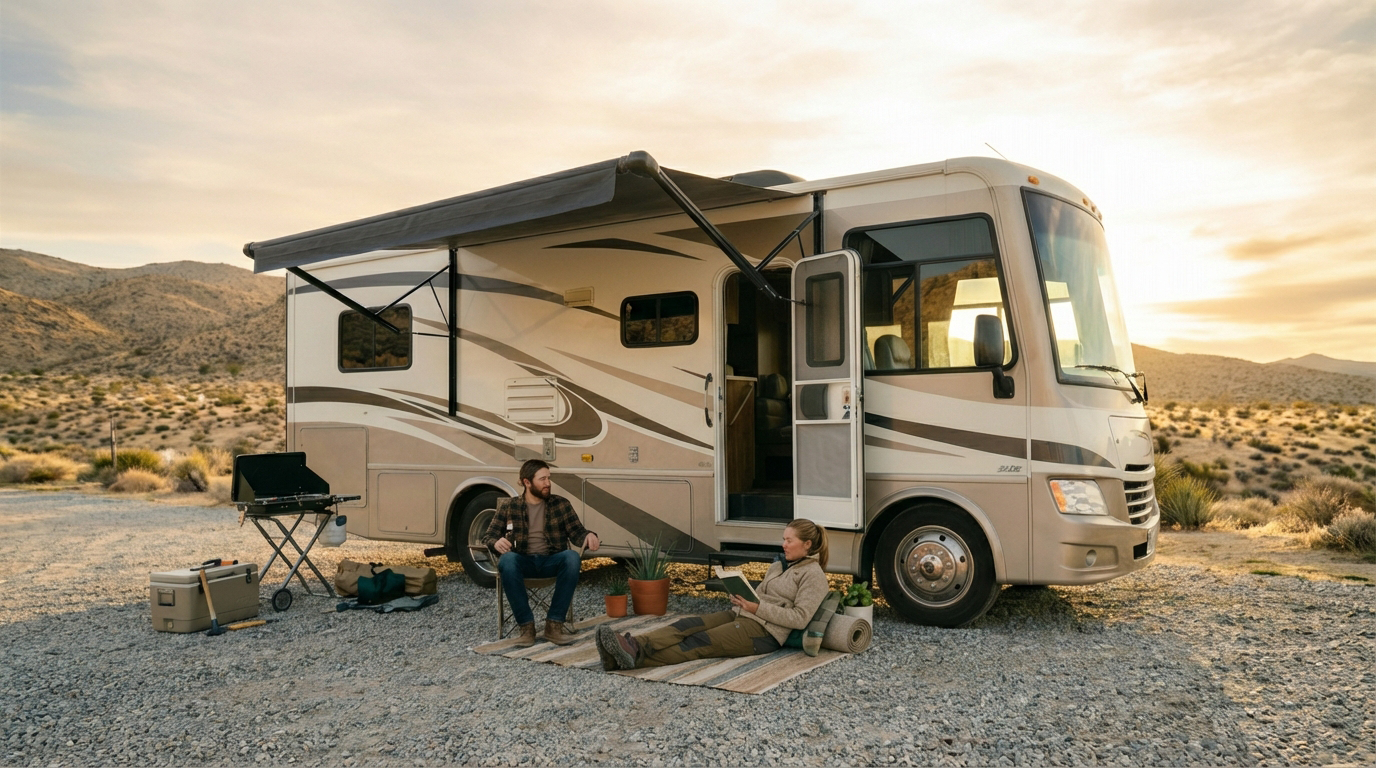
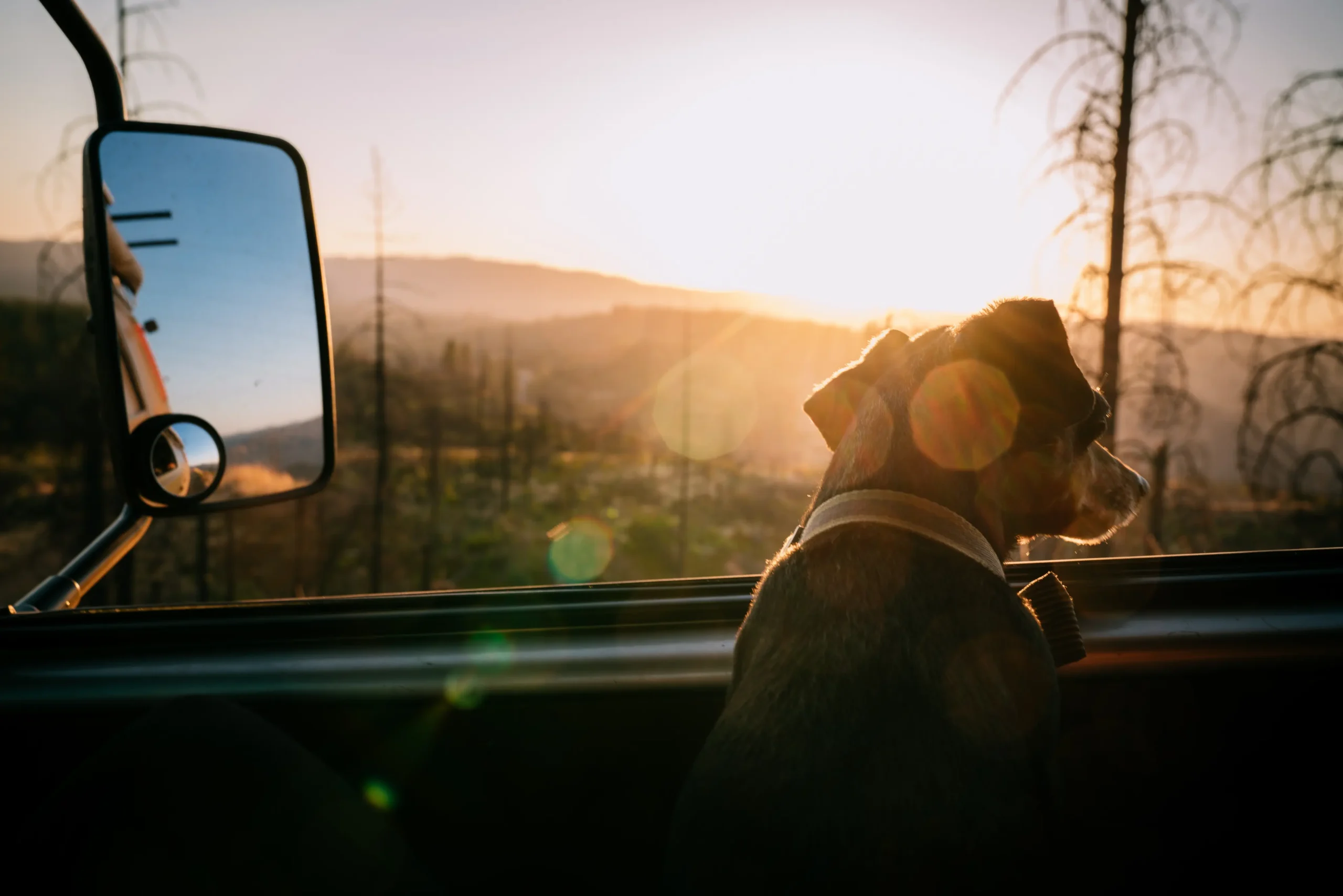
RVs make pet travel easier than cars or hotels, offering dedicated space, climate control, and familiar comforts, but success comes down to the right gear (crates, non-slip mats, ID and vaccination records) and choosing a pet-friendly park by checking reviews rather than just the "pets welcome" sign. Layout details like step height, flooring, and storage for pet gear are also worth considering when shopping for a rig.
More RVers than ever are bringing their pets along for the ride, and it's easy to see why. An RV isn't a cramped back seat with a water bowl wedged between suitcases, it's a home base that moves with you, climate control and all. Whether you're planning a weekend getaway or a season-long loop around the country, your pets can come too, and with the right setup, they might just be the best travel companions you've got.
If you're new to RV life or thinking about upgrading to a rig that fits the whole family (four-legged members included) here's what you need to know about traveling comfortably with pets, from the gear that makes the biggest difference to the layout details that matter more than you'd expect.

Why RVs Are Made for Traveling with Pets
RV travel solves a lot of the problems that make pet road trips stressful in a car or a series of hotel rooms:
- Dedicated space. Instead of sharing a back seat, pets get room to move, stretch, and settle in.
- Bathroom breaks on your schedule. No more circling a hotel parking lot at 11 p.m. just step outside.
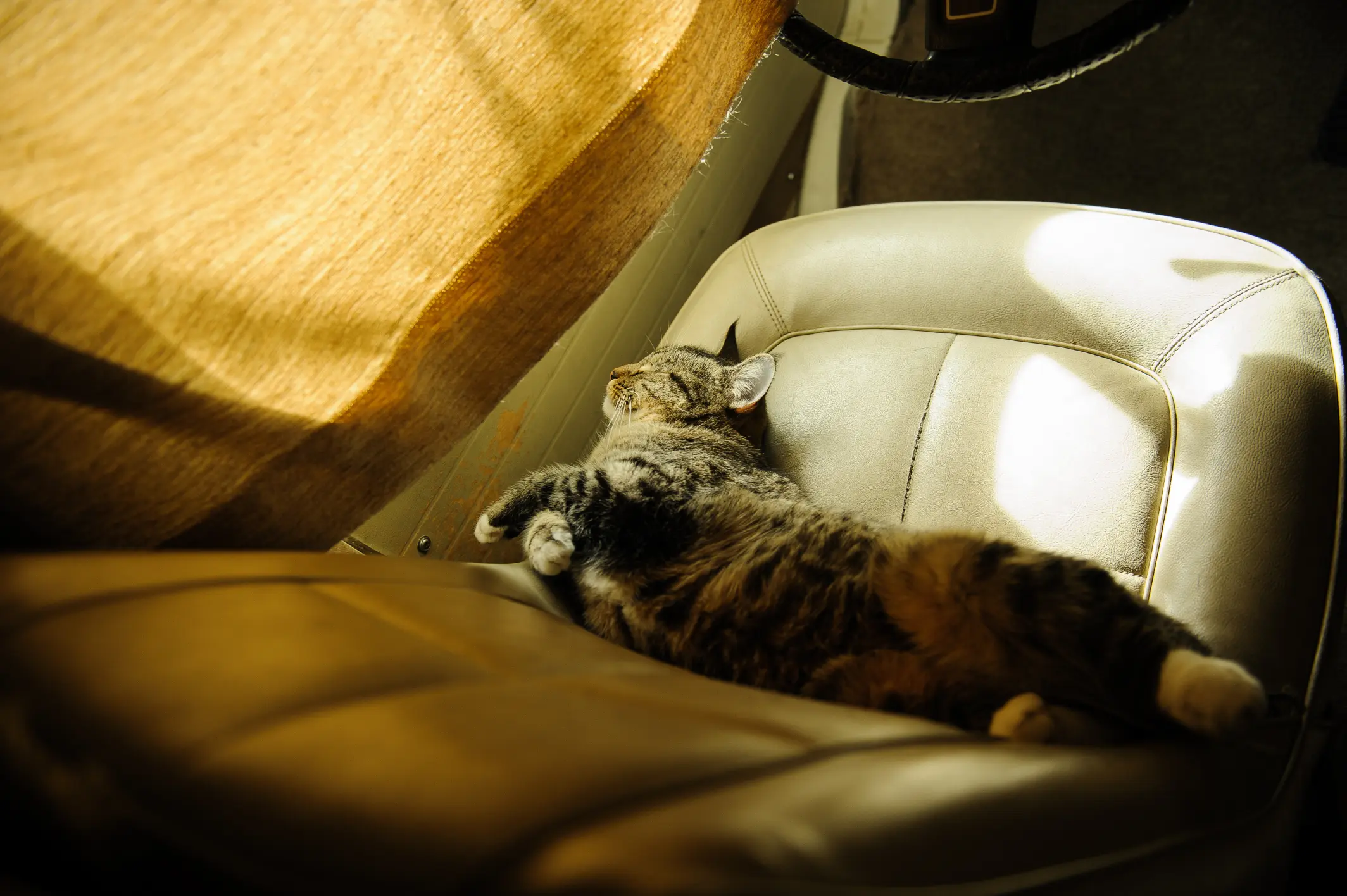
- Climate control. Keep the cabin comfortable in summer heat or a cold mountain morning, for you and them.
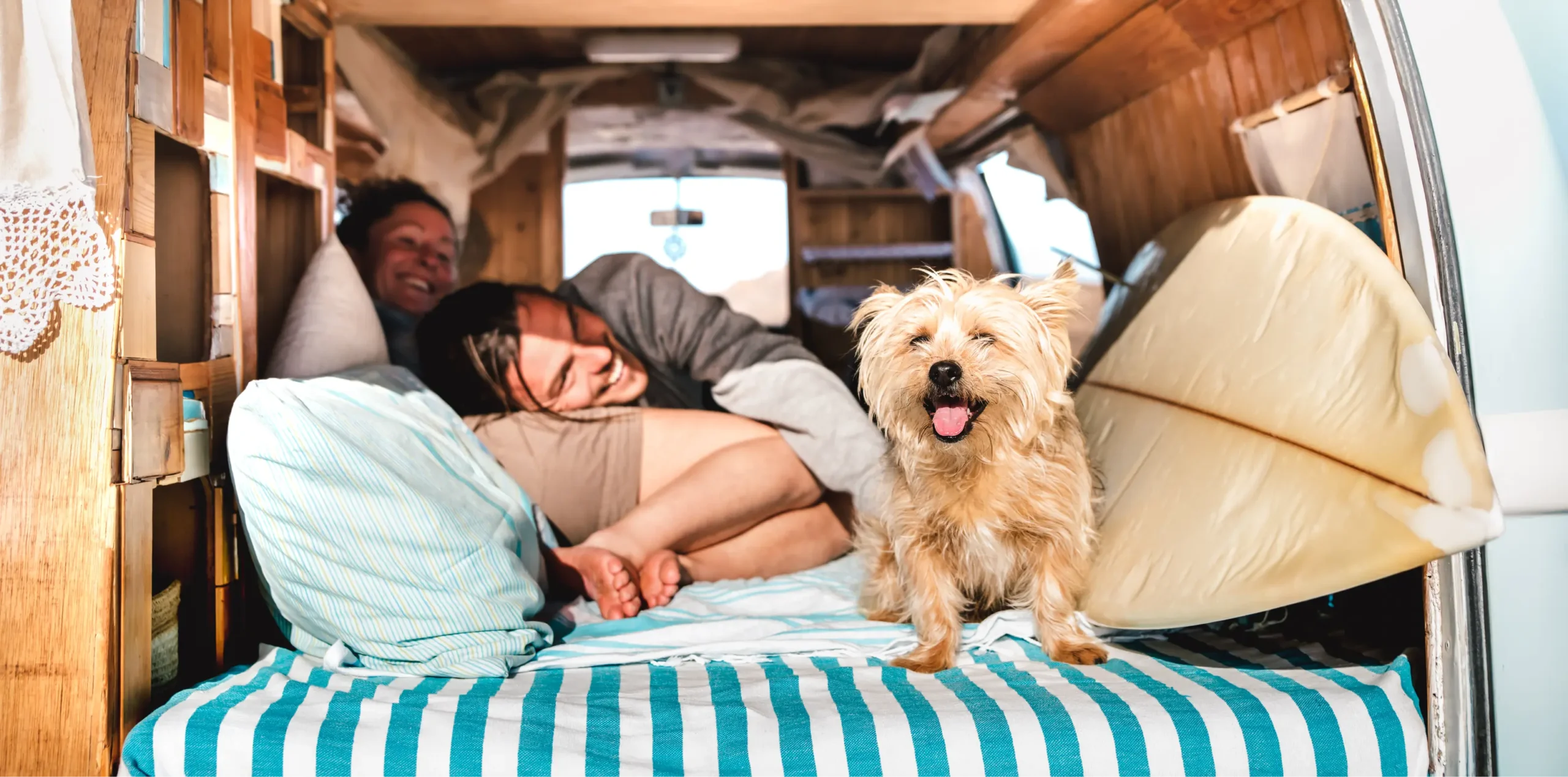
- A familiar environment. Pets tend to relax faster in a space that smells and feels like home, even hundreds of miles from it.
- Kitchen access. If your pet has a specific diet or feeding schedule, you're not stuck relying on gas station stops.
It's a genuinely different way to travel. RVing is one where your pet is part of the trip, not something you had to plan around.
Essential Gear for Traveling with Pets
A little preparation goes a long way. Here's what experienced pet-traveling RVers tend to pack:
Safety and restraint
- A portable kennel or crate for driving and sleeping
- A pet first-aid kit, since RV-specific mishaps (a fall on a wet step, a hot pavement burn) are different from what you'd plan for at home
Comfort
- Non-slip mats: RV floors get slippery when you're moving, especially for older pets or larger breeds
- An elevated or cooling pet bed
- Familiar bedding or a favorite toy to ease the adjustment to a new environment each night
On-the-go essentials
- Collapsible water bowls for hikes and rest stops
- A mounted waste bag dispenser for easy access
- A leash no longer than six feet — most parks require it, even if yours is more relaxed at home
Identification and records
- ID tags with current contact information
- Verified, up-to-date microchip registration
- Printed vaccination records are useful if you're crossing state lines or staying somewhere with spotty cell service. Also in case you need to visit a vet when you're not home.
Around the RV
- A washable, weather-resistant outdoor mat or rug for the entry step, so muddy paws stay contained
- A small, low-profile ramp or step stool if your pet struggles with the height of RV entry steps — this matters more than people expect for older dogs, small breeds, or pets recovering from injury
- Window shades or reflective covers for the areas where your pet naps, to keep their favorite spot from getting too hot from the sun
One safety note worth its own paragraph: never leave a pet inside the RV without active climate control, even for a quick errand. Temperatures inside a parked vehicle can climb dangerously fast, and it's one of the few RV pet risks that's entirely preventable with a little planning.
What "Pet-Friendly" Actually Means
Here's something that trips up a lot of first-time RV travelers: a "pets welcome" sign doesn't tell you the whole story. Every park sets its own rules, and they can vary more than you'd expect:
- Leash length limits- six feet is the most common maximum
- Breed restrictions or pet-count limits per site, which some parks enforce more strictly than others
- Off-leash areas that range from a fenced acre with a pond to a small patch of gravel is worth checking recent reviews rather than trusting the listing photo alone
A quick call ahead, or a look at real traveler reviews on apps like The Dyrt, Campendium, or BringFido, can save you from an unwelcome surprise at check-in after a long day of driving.
Some parks even have dedicated pet areas including dog parks, daycares, and even dedicated trails and ponds. It’s important to note that some policies and amenities may shift from season-to-season, so always make sure to double check the RV park’s rules each time you visit.
Choosing an RV Layout That Works for Pets
If you're still shopping for the right rig, a few layout details are easy to overlook until you're living with them:
- Step height and entry design: Some floor plans have a steeper first step than others, which matters if you're traveling with an older pet, a small breed, or one recovering from an injury.
- Flooring type: Vinyl and hardwood-style flooring can get slippery fast, while textured or carpeted zones near sleeping and lounging areas give pets better traction.
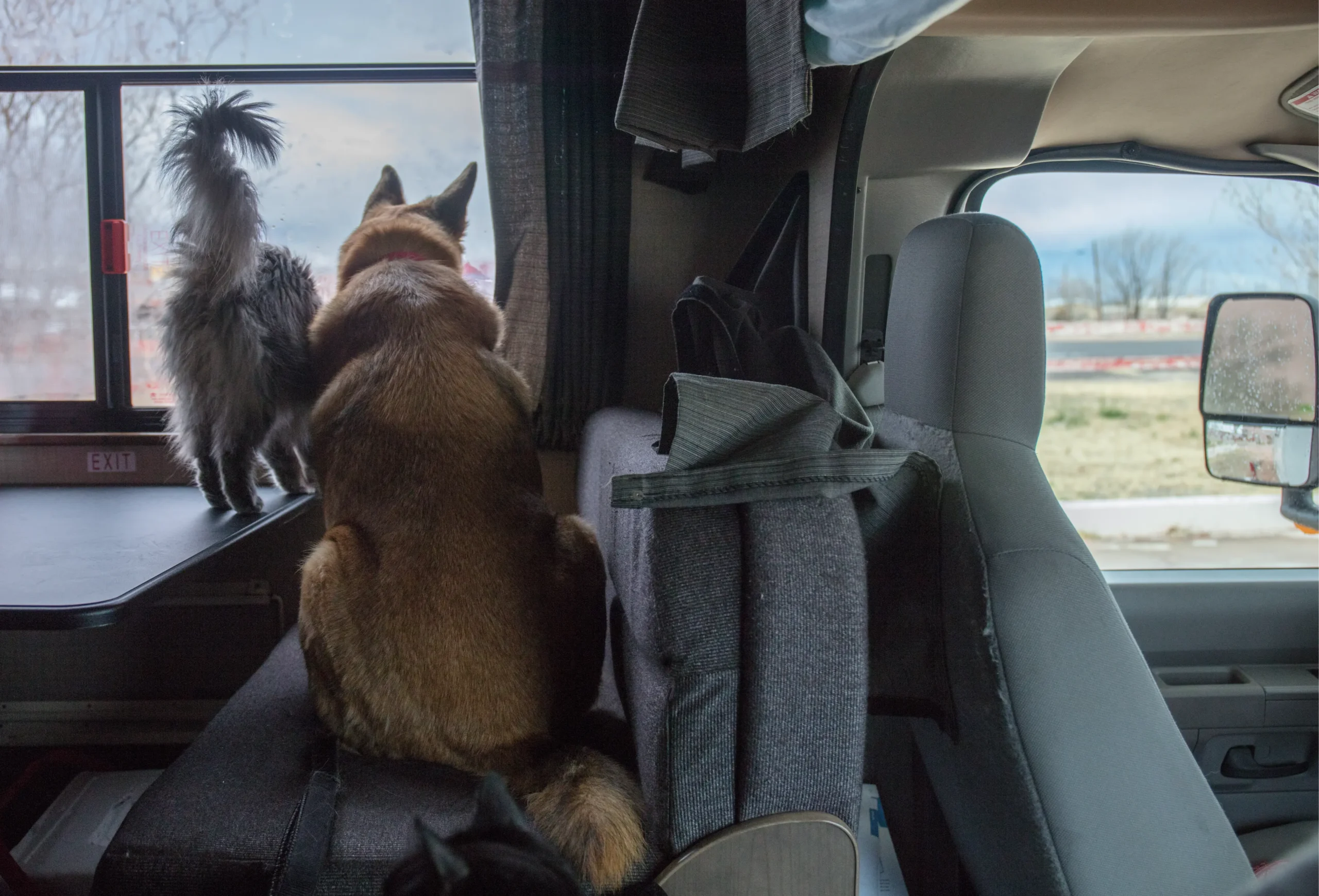
- Window placement: A layout with a low window near a couch or dinette gives pets a spot to watch the world go by without needing to climb.
- Storage for gear: Crates, food bins, and folding ramps all take up space, and a rig with a dedicated exterior storage bay makes a real difference over a long trip.
None of these are dealbreakers, but they're worth walking through with a dealer or factoring into your search if pets are a permanent part of your travel plans.
It's also worth thinking about outdoor space too. An RV with a larger awning or a built-in patio area gives your pet a shaded spot to relax while you're parked, without needing to be tied up in direct sun. Some newer floor plans even include exterior storage specifically sized for kennels or gear bins, which keeps everything organized and out of your living space. These details rarely make it onto a spec sheet, but they're the kind of thing you'll appreciate every single day on the road.
A Few Tips for the Road
- Research vet clinics along your route ahead of time, just in case
- Plan drive segments of four to six hours with regular breaks giving your pet time to stretch and rehydrate at each stop
- Book pet-friendly sites well in advance during peak season — the good ones fill up fast
- Lean on traveler review apps for the details that don't show up in official listings
- Pack a printed copy of your route and reservations as a backup, since remote parks don't always have reliable cell service
Bringing the Whole Family Along
At the end of the day, pet-friendly RV travel is about not having to choose between your next adventure and the ones you love most. If you've been putting off getting a rig that fits your whole family including the four-legged members financing can make that first step more attainable than you might think. Explore financing options to see what's possible, or check out our guide to buying your first RV before you hit the road.
FAQs:
What is the minimum credit score required to qualify for a loan?
We can work with credit scores as low as 550. Our programs are designed to help customers across a wide range of credit situations, including those with past credit challenges.
How long are the loan terms available?
We offer loan terms of up to 20 years, giving you the flexibility to choose a repayment schedule that works best for your budget and goals.
What is the minimum loan amount I can apply for?
Our loan starts at $10k. This applies to both dealer and private party purchases.
What interest rates do you offer?
What types of purchases are eligible for financing?
We finance both dealer and private party purchases and can approve loans for LLCs, trusts, and full-time RVers. We do not finance park models or schoolies..
Can I finance and RV or boat if I'm a full-time traveler?
Yes. We offer financing options designed for full-time RVers and boaters.