Quick Summary: The "Base Camp" strategy replaces exhaustively packing up and moving every night with setting up a single home base for a week or more, taking easy day trips, and returning to a comfortable, established setup. Choosing an RV for 1-stop travel slashes fuel budgets, eliminates daily tear-down stress, and unlocks long-term park discounts—all while keeping predictable monthly loan terms manageable through My Financing USA.
What is the “Base Camp” travel strategy?
The "Base Camp" strategy is a travel strategy where campers park their RV at a single hub location for several days or weeks, exploring surrounding regional attractions via short day trips rather than moving their entire rig daily. A typical road trip usually involves hitting multiple destinations over a course of a few days, which means packing up the RV at least every 24-48 hours. With the “base camp” strategy, this changes significantly.
The popular 3-3-3 pacing rule (driving a maximum of 300 miles, arriving at your destination by 3pm, and staying at least 3 nights), mimics the “base camp” strategy perfectly. For example, you could park your fifth wheel at a central hub like Black Hills RV Park in South Dakota and take scenic day trips to places like Mount Rushmore and Sylvan Lake using only your tow vehicle.
How does a 1-stop stay compare to a traditional multi-stop road trip?
A single-stop stay eliminates daily RV teardowns, reduces towing exhaustion, and allows travelers to experience local regions like a resident instead of a rushed tourist. Instead of packing up and moving every other day, you get to relax and truly enjoy your time.
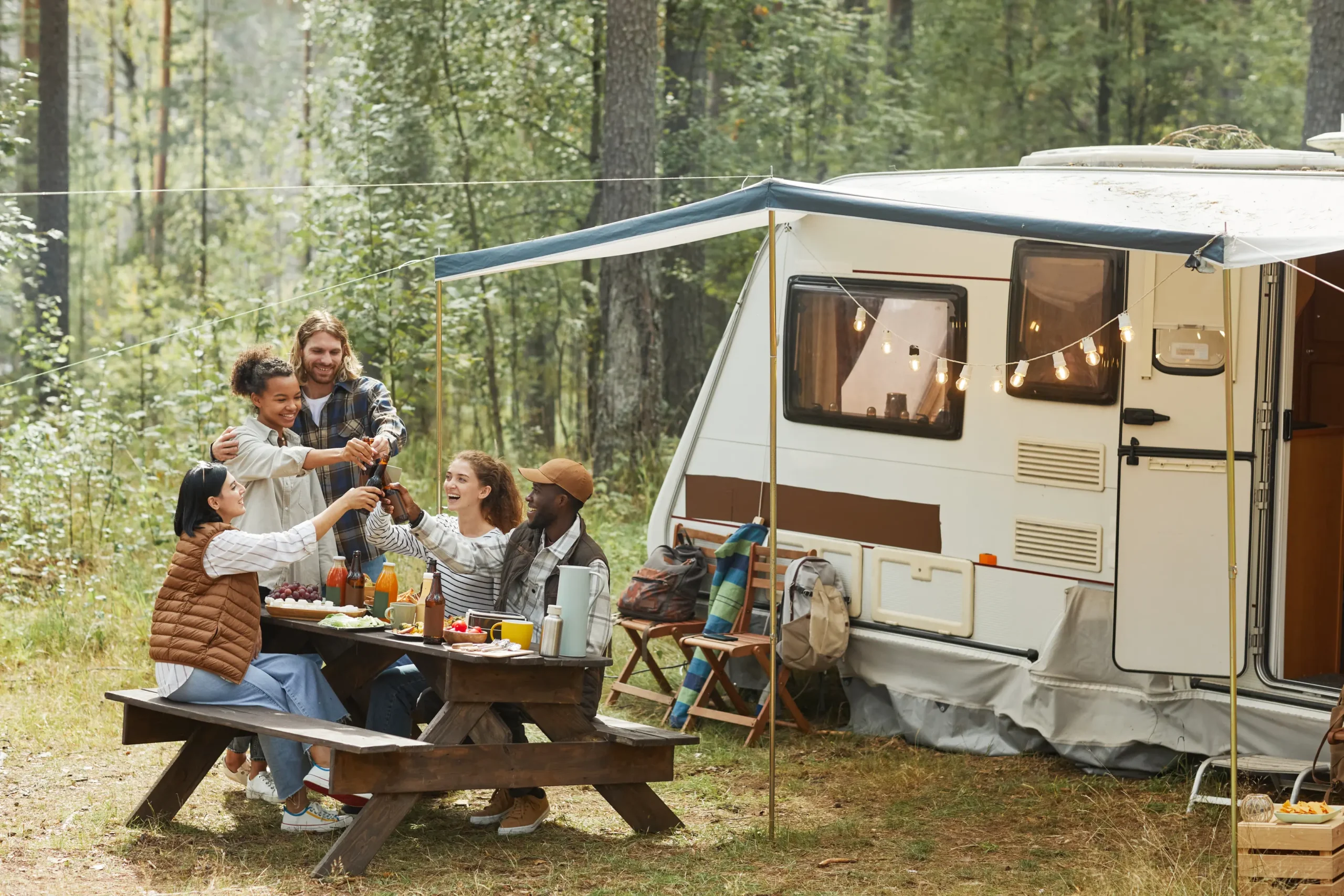
RV setups include several steps which can cause lots of friction with multi-stop trips. Constant hitching and unhitching, leveling jacks, hooking up the water and sewer lines, and driving heavy rigs during peak afternoon traffic takes up a lot of time. Aside from just the RV setups, camping usually requires you to also set up patio rugs, outdoor kitchens, and other amenities that with multi-stop trips just become a pain. Instead of spending your time setting up, take time to actually enjoy the setup. Unpacking your outdoor gear once creates an inviting living space where you can unwind after a long day of sightseeing rather than spending every evening preparing for tomorrow's highway drive. When you stay in one place for longer periods of time, you’re able to have deep exploration in a region. You can spend the day at a local farmers market, lesser-known state parks, and local restaurants rather than sticking only to highway rest stops and quick drive-thru chains.
What are the main financial and lifestyle advantages of staying in one location?
Staying at a single base camp significantly reduces diesel or gasoline expenses, unlocks discounted weekly or monthly campground rates, and prevents driver burnout.
Burning heavy fuel only on arrival and departure days rather than towing thousands of pounds across multiple states every single morning saves money. Road trips are an investment and being able to save where you can, especially on things like fuel, makes a significant impact on your overall travel budget. Driving a fuel-efficient commuter car or unhitched truck for local day trips can really cut your fuel consumption by up to half compared to towing a heavy rig down the interstate.
When you stay at campgrounds for an extended period, you may end up leveraging weekly or monthly resort packages instead of paying peak weekly nightly rates at five different sites. These discounts can sometimes have significant discounts, especially during peak season.
If your rig is equipped with a kitchen, groceries are also an area where you can save money by staying stationary. When you’re in one place for longer, you’re able to buy groceries in bulk to cook over a campfire or residential RV stove instead of eating expensive road food right off the highway. It also makes meals feel more relaxing and like they are a part of the trip’s memories.
Base camp vs. multi-stop road trip: How do the travel dynamics compare?
Comparing daily travel logistics demonstrates how a single-stop base camp strategy lowers trip fatigue and stretches your vacation budget compared to a moving road trip.
Evaluating the two travel styles side-by-side reveals operational differences:
Setup and breakdown effort: Multi-stop trips require hitching, leveling, and hooking up utilities every 24 to 48 hours. A base camp setup means you only have to do the heavy lifting once, and you can leave your patio mats, outdoor kitchen, and awnings deployed for the entire week.
Fuel costs and wear: Moving your rig daily consumes heavy fuel across hundreds of miles. Operating from a base camp, on the other hand, burns heavy gasoline or diesel only on arrival and departure days. It also allows you to use your unhitched tow vehicle or toad for efficient local day trips.
Campground rates: Continuous road trips often force you to pay full daily or weekend peak rates at multiple locations Staying in one spot allows you to take advantage of any discounts or packages campgrounds may have for campers who stay weekly or monthly.
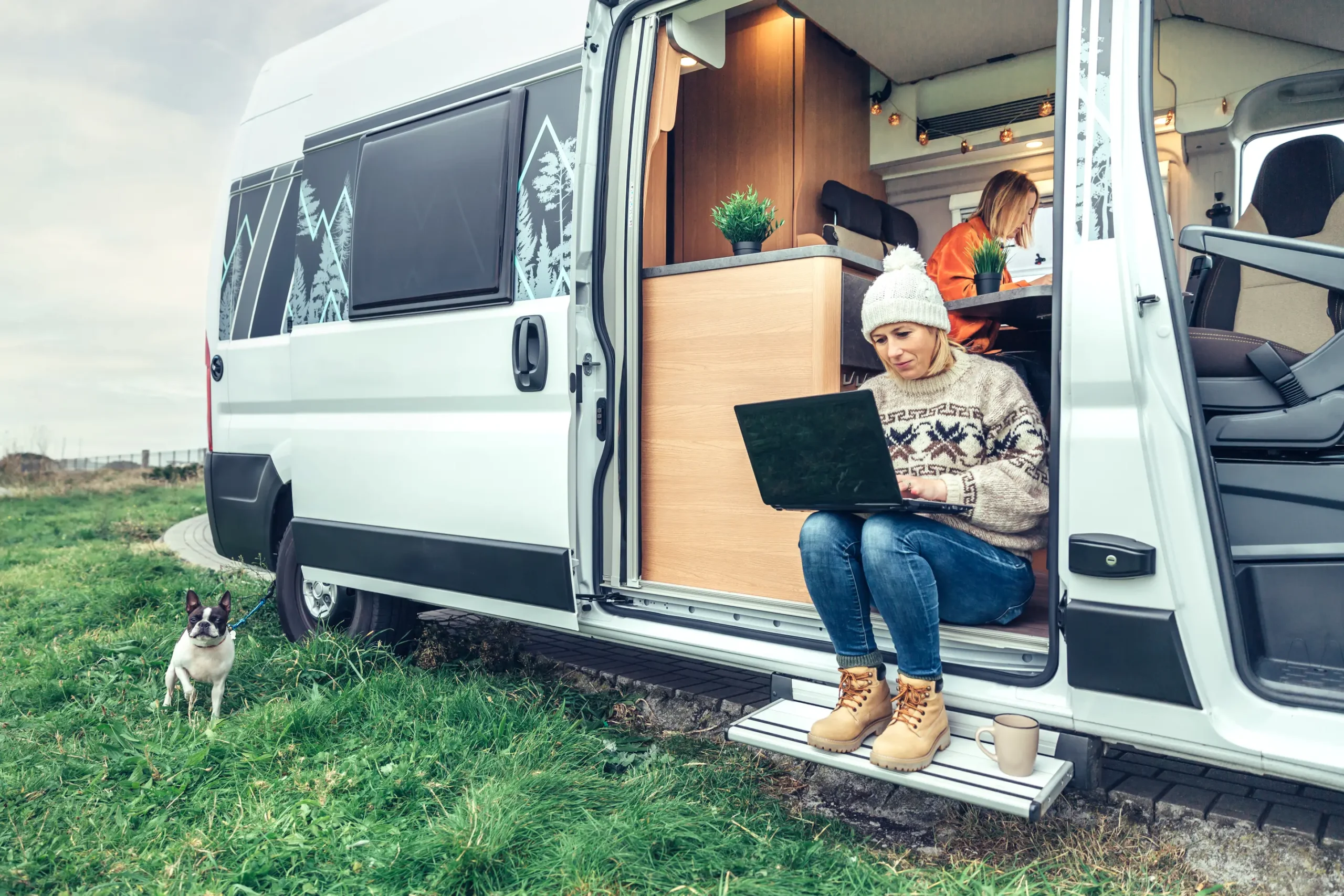
Relaxation and remote work: Daily travel days leave little time to fully unwind or even hop on for reliable Wi-Fi for work. A single home base means you get stable internet connections, quieter afternoons, and a more predictable schedule that your entire family can rely on.
Depth of exploration: Moving frequently really limits your experiences to only stopping at quick highway spots for food and photo ops. Whereas base camping allows you the time to truly explore the region and immerse yourself in the hidden gems you’re traveling for.
How do you finance an RV to build your ideal base camp setup?
Building the perfect base camp setup depends on what you’re looking for in a unit and experience. You can finance a new or used travel trailer, fifth wheel, or motorhome by securing a dedicated RV loan starting at $10,000.
Choosing a stationary hub-and-spoke travel strategy means matching your rig to your family's space requirements, whether that means a spacious fifth wheel with opposing slide-outs or a toy hauler with a dedicated patio bay. Selecting a comfortable unit with residential amenities ensures your temporary home base feels roomy and functional during extended stays. Working with a specialized nationwide broker like My Financing USA gives you access to flexible loan terms that keep your monthly payment predictable and easy on your household budget. Approvals are processed quickly, allowing you to secure your dream unit from either a retail dealer or a private seller before peak camping season arrives. Apply on our website today.
FAQs:
What is the "Base Camp" strategy for RV travel?
It's parking your RV at one central campground for a week or more and taking day trips from there in your tow vehicle, instead of hitching up and moving every night. It pairs naturally with the popular 3-3-3 rule — drive no more than 300 miles, arrive by 3pm, and stay at least 3 nights.
How much can base camping actually save me compared to a multi-stop trip?
WThe biggest savings come from three places: fuel (you're only towing on arrival and departure days, not daily), campground rates (weekly/monthly rates typically beat nightly rates), and food (a stocked kitchen replaces pricey highway meals). Together those add up fast over a week-plus stay.
Do I need a specific type of RV to base camp well?
Not a specific type, but comfort matters more when you're staying put. Rigs with residential amenities and enough space — like a fifth wheel with opposing slide-outs or a toy hauler with a dedicated patio bay — make an extended stay feel like a real home base rather than a cramped waiting room between drives.
Is base camping a good fit for remote workers?
Yes — it's one of the strategy's biggest lifestyle perks. Staying in one spot for a week or more gives you a stable Wi-Fi connection and a predictable daily schedule, instead of hunting for signal and losing work hours to travel days.
How can I finance an RV specifically for a base camp setup?
My Financing USA offers dedicated RV loans starting at $10,000 for new or used travel trailers, fifth wheels, and motorhomes, whether you're buying from a dealer or a private seller. Approvals move quickly and loan terms are structured to keep your monthly payment predictable, so you can get set up before peak camping season.