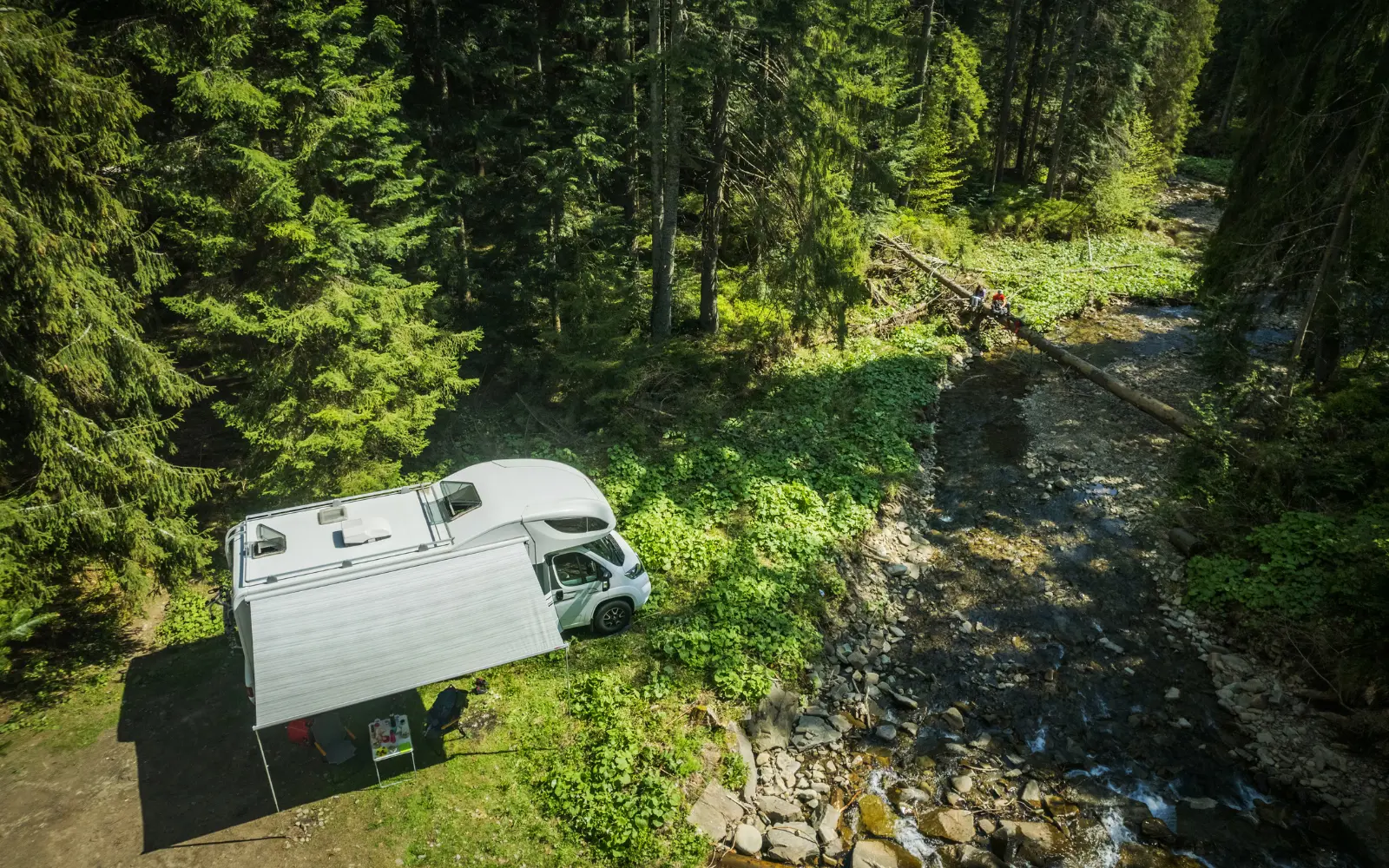
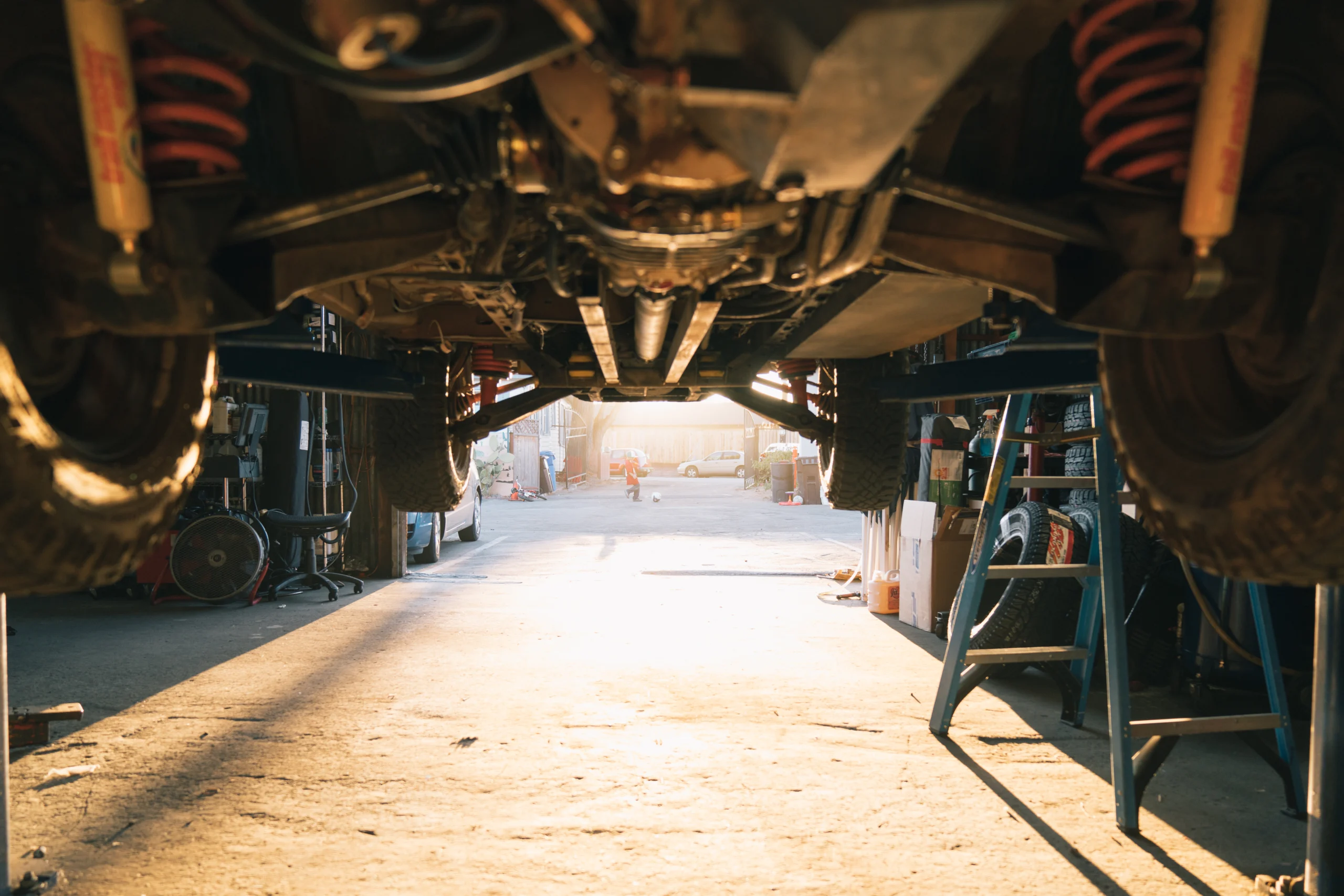
Spring is when many RV owners get ready to travel again, but winter storage can change more than it appears on the surface. Even if your RV was in good shape when it was parked, months of cold, moisture, and inactivity can affect key systems. De-winterizing your RV is the process of checking those systems so small issues don’t turn into problems once the season starts.
Cold weather and long storage periods can dry out seals, weaken tires, strain plumbing connections, and reduce battery performance. These issues often stay hidden until the RV is moving or fully in use. A step-by-step de-winterizing check helps you start the season safely and protect the value of your RV.
Why Is De-Winterizing an RV Important After Winter Storage?
Winter storage affects more than just the exterior of an RV. Temperature swings and inactivity put stress on seals, plumbing, electrical systems, and tires at the same time. Even indoor storage does not eliminate these risks.
De-winterizing helps identify issues early, before they lead to leaks, breakdowns, or trip delays. It also supports long-term planning for owners who see their RV as an RV investment rather than a short-term purchase.
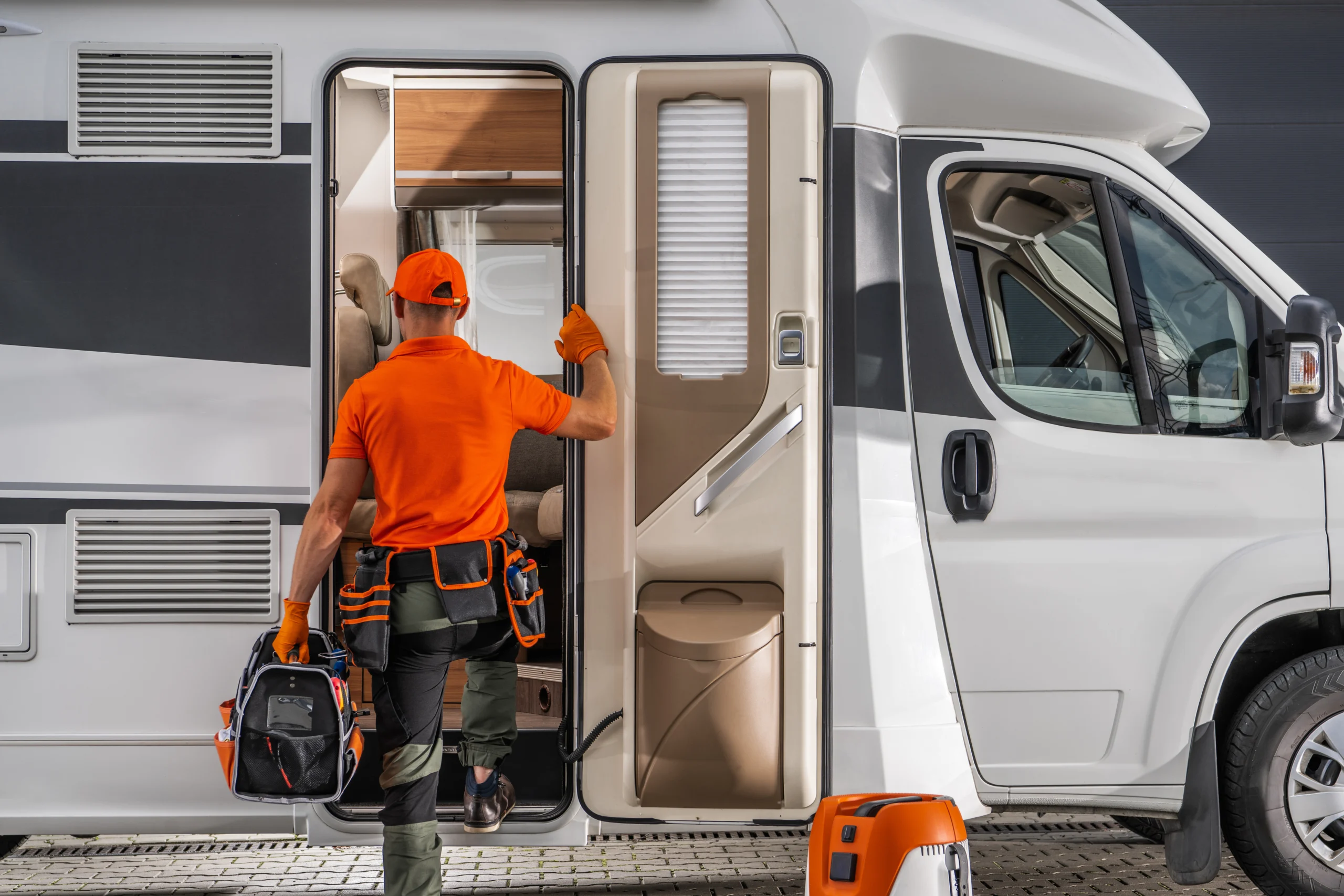
What Should You Inspect on the Outside of Your RV First?
The exterior inspection sets the foundation for the rest of the de-winterizing process. Winter damage often shows up outside first, even when it isn’t immediately obvious. Addressing exterior issues early helps avoid problems once spring travel begins.
How Do You Check RV Roof Seals and Slide-Outs for Winter Damage?
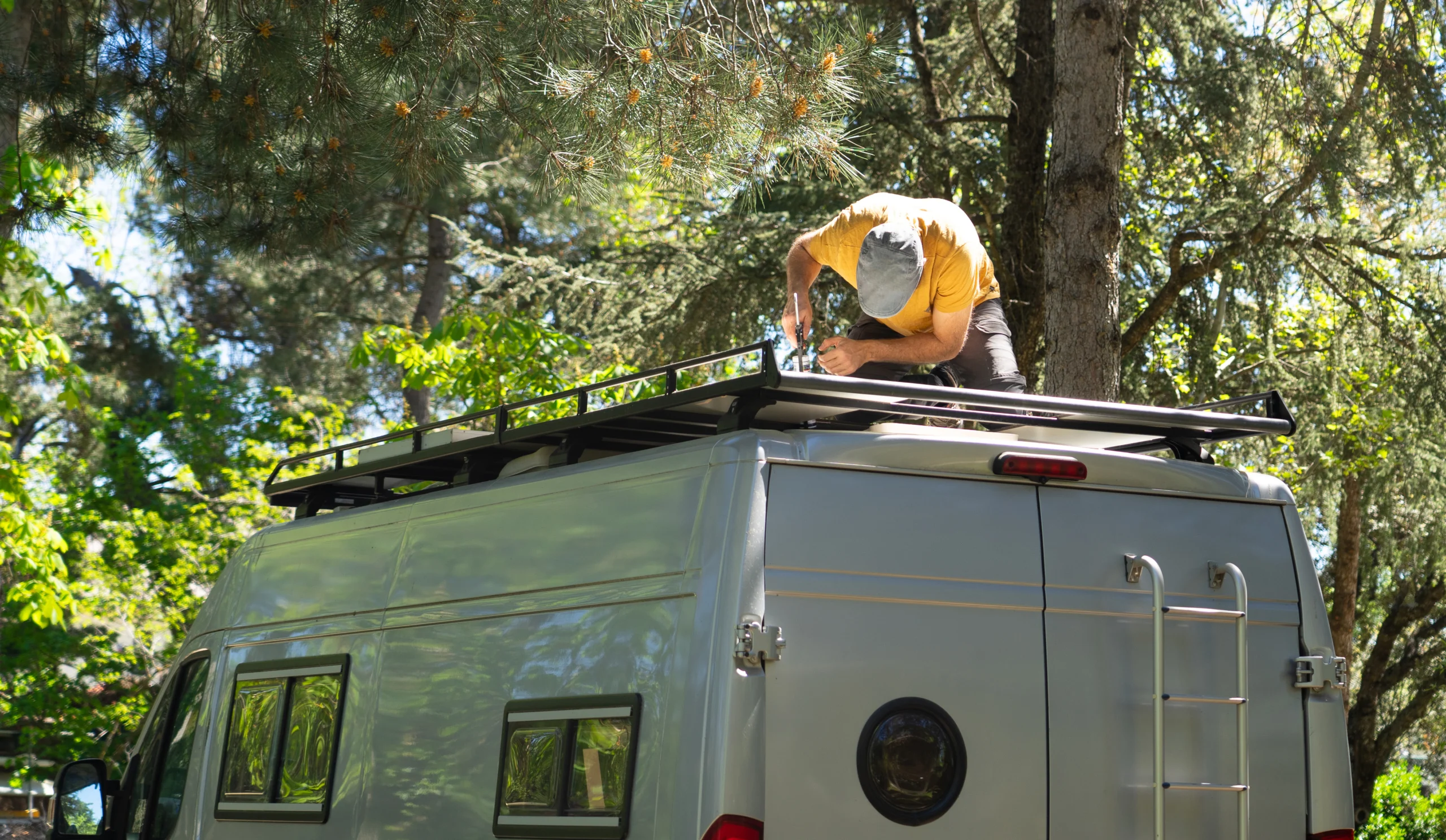
Roof seams, vents, and slide-out seals should be checked closely after winter storage. Cold temperatures cause materials to contract, which can create small gaps or cracks. These areas are common entry points for water.
Look for dried sealant, visible separation, or areas that appear brittle or uneven. Catching seal issues early helps prevent interior water damage that can be costly to repair.
What Tire Issues Are Common After RV Winter Storage?
Tires often lose pressure during long periods of inactivity. Flat spotting, sidewall cracking, and age-related wear are common concerns in the spring. Even tires that look fine can fail once the RV is fully loaded and moving.
This matters most for heavier units like fifth wheels and travel trailers, where tire stress increases quickly under load. Checking pressure and condition early reduces the risk of blowouts.
How Do You Safely Flush and Reconnect an RV Plumbing System?
The plumbing system is one of the most important areas to check after winter storage. Antifreeze, pressure changes, and temperature fluctuations can affect fittings and valves. Taking this step slowly helps prevent leaks and contamination.
How Do You Remove Antifreeze From RV Water Lines?
Removing antifreeze involves flushing the system thoroughly and restoring normal water flow. Skipping steps or rushing this process can leave residue behind or stress plumbing connections.
Once flushing is complete, check for steady water pressure and any signs of leaks. This confirms the system is ready for normal use.
What Should You Check in RV Fresh, Gray, and Black Tanks?
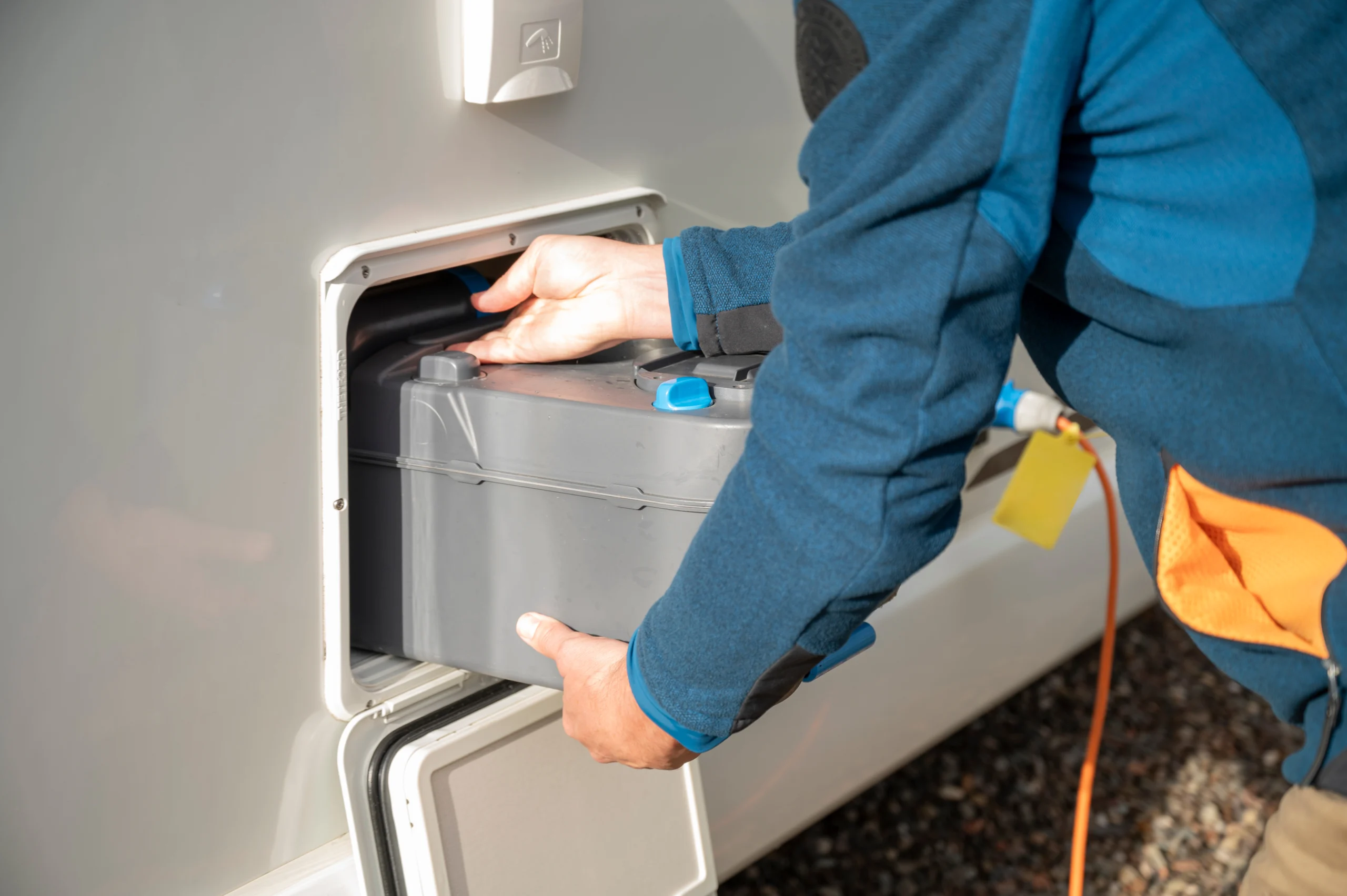
Tank valves and seals should be tested after winter storage. Slow drainage, unusual odors, or inaccurate tank readings can indicate problems.
These issues are especially noticeable during extended travel, which is common for motorhome owners using onboard systems more frequently.
What Electrical Systems Should You Test Before Your First RV Trip?
Electrical issues are common in the spring because batteries and connections weaken during storage. Testing systems early helps prevent power failures once appliances and accessories are in use.
This is especially important if this will be your first RV trip, when multiple systems are being used at the same time.
How Do You Check RV Batteries After Winter Storage?
RV batteries often lose charge or capacity during long periods of inactivity. Spring is when weak batteries tend to fail.
Checking voltage and performance supports reliable power and long-term ownership planning, including evaluating RV refinancing options if upgrades or repairs are on the horizon.
What Interior Electrical Components Should You Test?
Interior lights, outlets, control panels, and GFCIs should be tested before travel. Electrical problems often appear when systems are used again for the first time.
Identifying these issues early prevents frustration once you’re on the road.
Which RV Appliances Should Be Tested Before Spring Travel?
Appliances should be tested early, even if you don’t plan to use them right away. Winter storage can affect ignition systems, connections, and seals.
Testing appliances ahead of time is especially helpful before peak travel season, when repair availability may be limited.
How Do You Check RV Refrigerators, Stoves, and Water Heaters?
Refrigerators, stoves, and water heaters should be powered on and observed for normal operation. Pay attention to unusual noises, odors, or delayed ignition.
Early testing reduces the risk of appliance failures during your first trip.
What Interior Safety Checks Should You Do Before Traveling?
Interior checks focus on safety and comfort. Moisture buildup during storage can lead to mold or pest activity.
Smoke detectors, carbon monoxide detectors, fire extinguishers, and emergency exits should all be tested before travel.
How Does Proper De-Winterizing Protect Your RV Investment?
De-winterizing plays a direct role in preserving the value of your RV. Small issues left unchecked can lead to major repair costs later.
Consistent maintenance supports long-term ownership and protects your RV investment, whether you plan to keep your rig for years or eventually upgrade.
When Is the Best Time to De-Winterize an RV for Spring?
The best time depends on local weather and travel plans. Doing it too early can expose systems to late cold snaps, while waiting too long can delay repairs.
Many owners begin a few weeks before their first planned trip, allowing time for service if needed.
What Should You Do After Your RV Is De-Winterized?
Once de-winterizing is complete, you can focus on travel instead of repairs. Confidence in your RV’s condition makes the season more enjoyable.
Spring is also a good time to review insurance coverage, maintenance plans, and RV loan options as part of long-term ownership planning.
If you’re planning a new RV purchase, an upgrade, or want to better understand your financing options, learn more on our website or to explore RV loan and refinancing solutions built for long-term ownership.
Apply Now for Boat Financing!
FAQs:
What is the minimum credit score required to qualify for a loan?
We can work with credit scores as low as 550. Our programs are designed to help customers across a wide range of credit situations, including those with past credit challenges.
How long are the loan terms available?
We offer loan terms of up to 20 years, giving you the flexibility to choose a repayment schedule that works best for your budget and goals.
What is the minimum loan amount I can apply for?
Our loan starts at $10k. This applies to both dealer and private party purchases.
What interest rates do you offer?
What types of purchases are eligible for financing?
We finance both dealer and private party purchases and can approve loans for LLCs, trusts, and full-time RVers. We do not finance park models or schoolies..
Can I finance and RV or boat if I'm a full-time traveler?
Yes. We offer financing options designed for full-time RVers and boaters.