After winter storage, it’s tempting to launch your boat as soon as the weather cooperates. That’s also when most early-season problems show up. Some of the most common issues are dead batteries, fuel issues, electrical glitches, and trailer problems with most of them being preventable. Getting your boat ready before the season starts helps you avoid breakdowns, missed trips, and last-minute repair bills.
If you plan to keep your boat long term, especially if you’re financing a boat or considering upgrades, early prep protects both your time and your investment.
When Is the Best Time to Get Your Boat Ready for the Season?
Earlier than the first warm weekend.
Late winter to early spring is ideal. That timing gives you room to inspect systems, order parts if needed, and schedule service before marinas and repair shops get backed up. Waiting until peak season often means delays, higher costs, and fewer options.
Storage conditions matter too. Boats stored outdoors in colder climates usually need more lead time than boats kept indoors or in warmer regions. The goal isn’t launching early. It’s being ready when you decide it’s time.
What Does “Getting a Boat Ready” Actually Mean?
Most owners don’t call this spring commissioning. They think of it as de-winterizing or getting the boat out of storage.
This step is different from winterization. Winterization protects your boat while it sits. Pre-season prep confirms those systems are ready to run again. That includes fuel, batteries, safety equipment, and anything that moves or powers on.
This is also when you start noticing bigger decisions. Electronics that no longer make sense to fix. Engines that feel less reliable every year. Catching those early gives you time to plan whether that means routine maintenance or exploring boat financing options for repairs or upgrades.
How Do You Get a Boat Ready After Winter Storage?
You don’t need to overcomplicate this. Focus on systems that affect safety, reliability, and your ability to get home.
Engine, Fuel, and Fluids
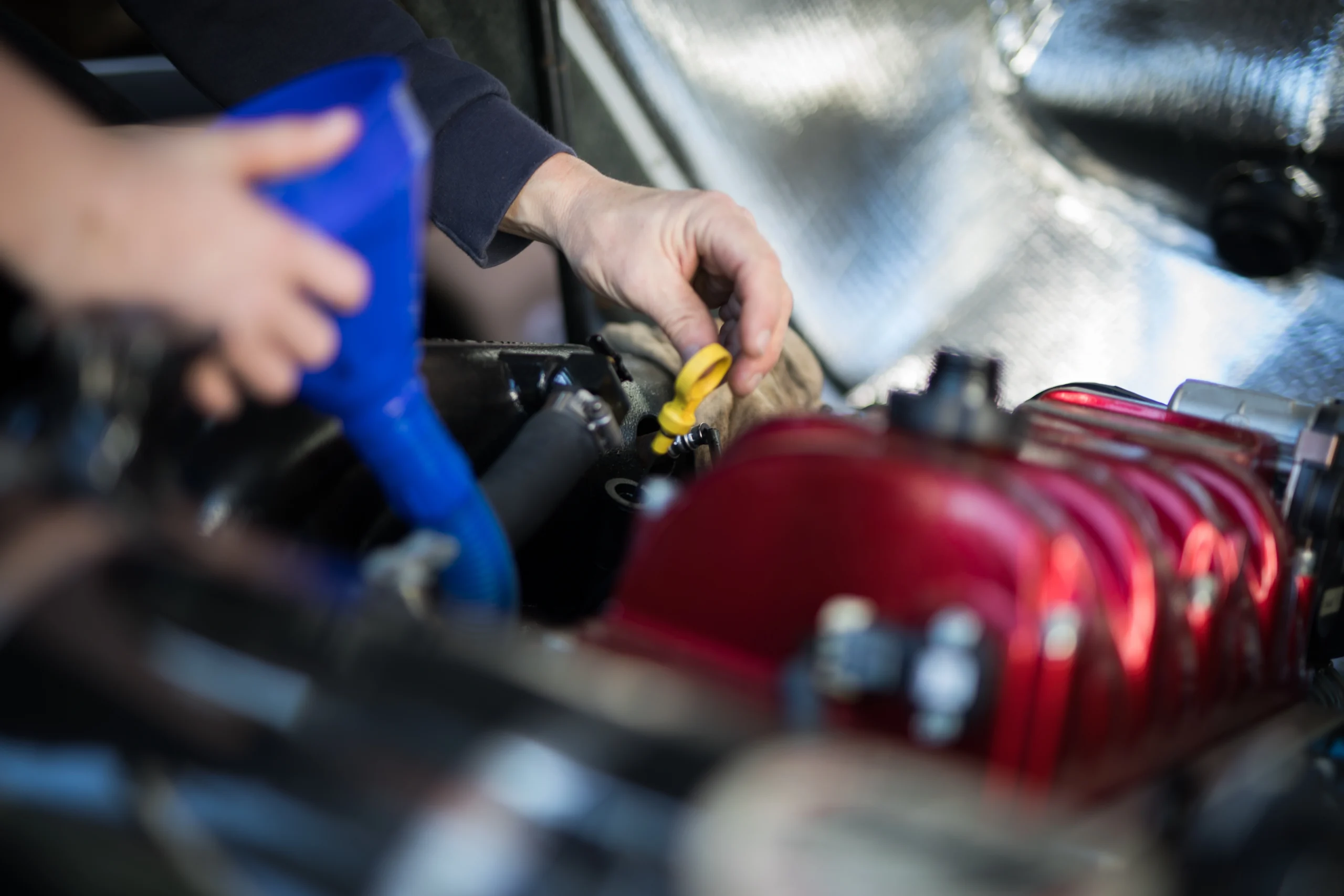
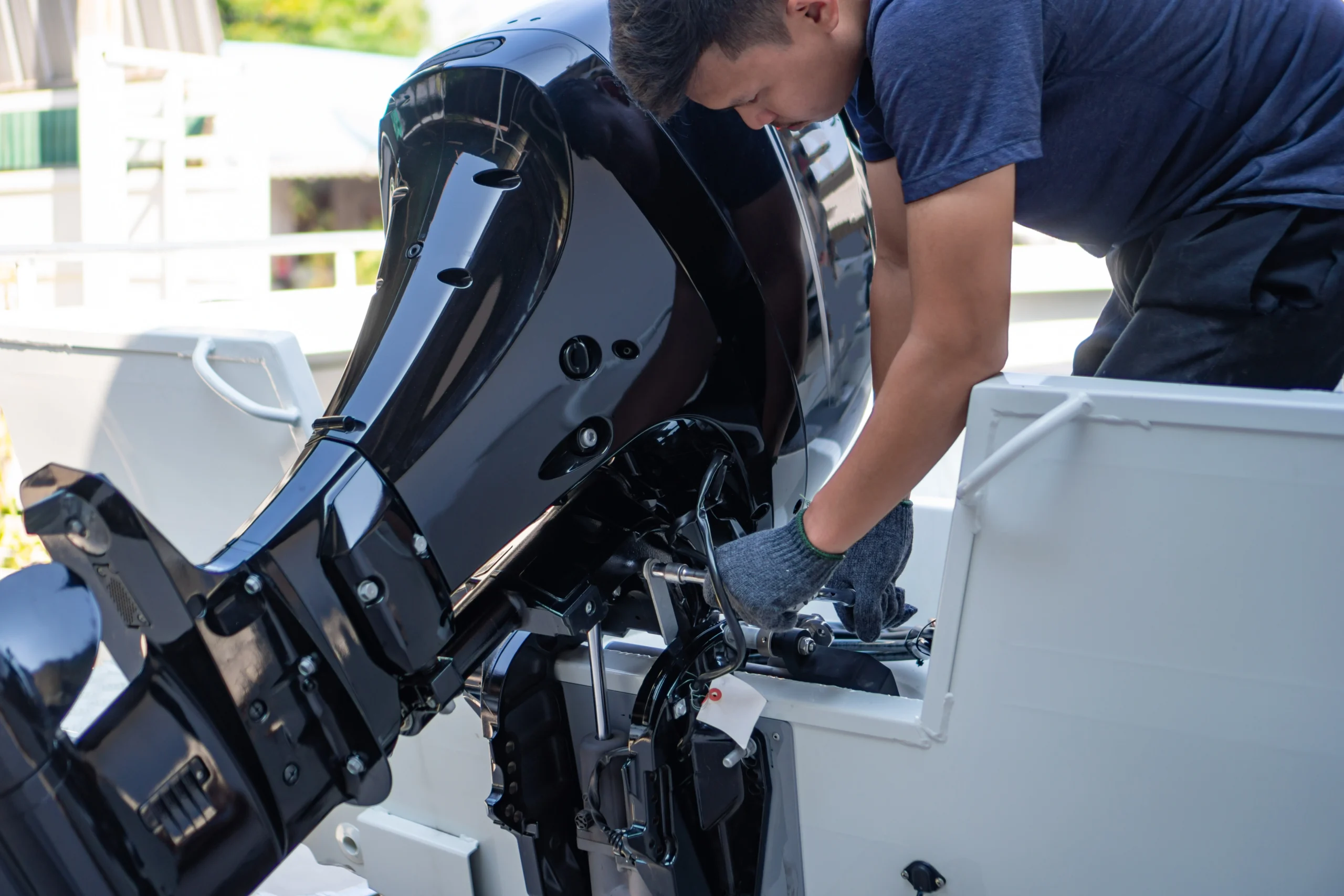
Check oil levels and condition, inspect belts and hoses, and confirm the cooling system is working properly. Old fuel or clogged filters are common causes of early-season engine trouble. If the engine struggled late last season, this is the time to address it before you arrive at the launch ramp.
Battery and Electrical Systems
Fully charge the battery and check for corrosion at terminals and connections. Power on electronics, navigation systems, and lights to confirm everything works before launch day. Electrical problems are one of the most common reasons boats miss their first trip of the year.
Hull, Prop, and Steering
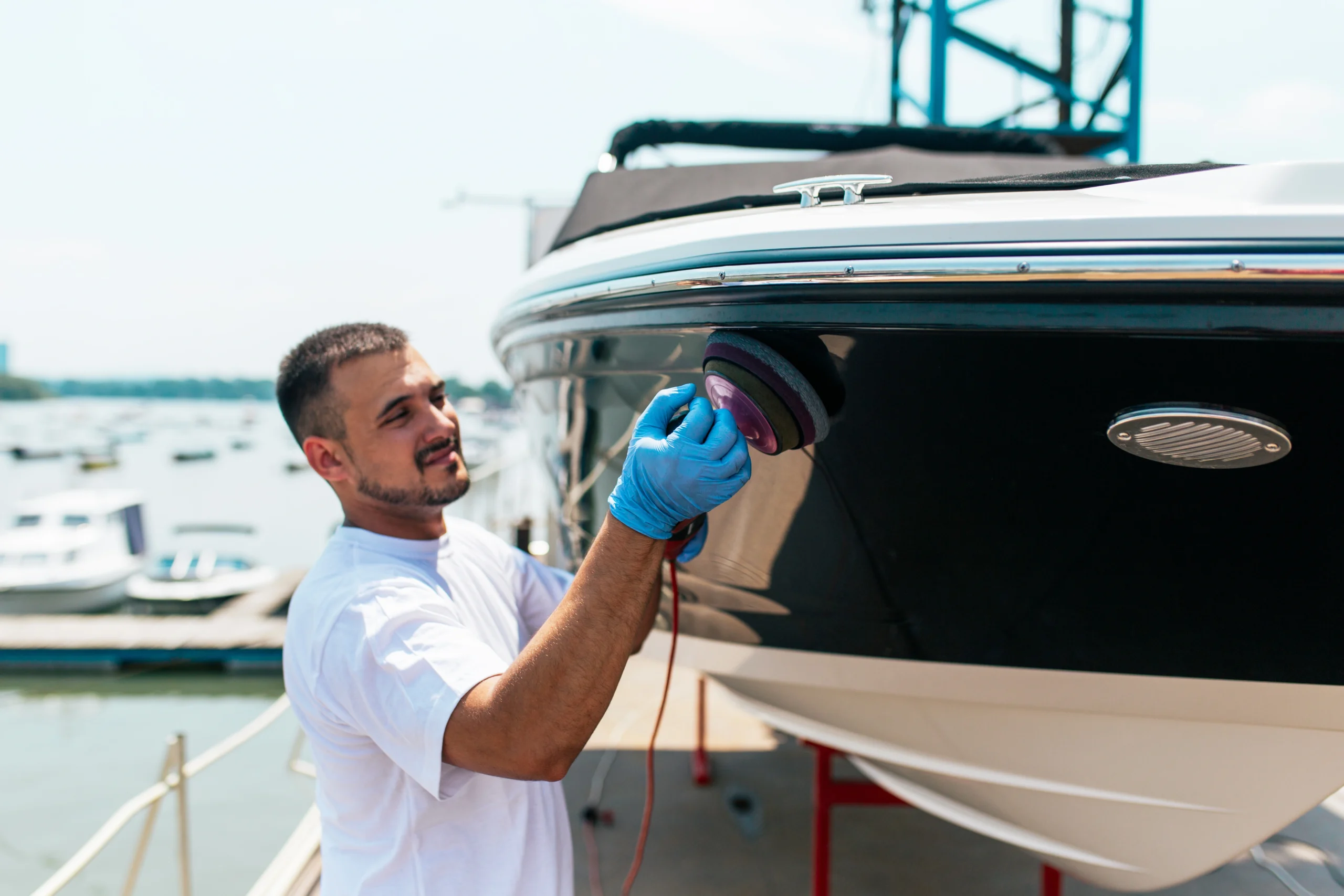
Inspect the hull for cracks or damage from storage. Check the prop for dings or fishing line, and make sure steering moves smoothly without binding. Small issues here can turn into performance or safety problems on the water.
Safety Gear and Legal Requirements
Confirm life jackets are accessible and in good condition. Check fire extinguishers, flares, radios, and signaling devices for expiration dates and functionality.
Trailer and Launch Readiness
Inspect tires for cracks or low pressure, test lights and brakes, and check wheel bearings. Trailer problems delay more first launches than engine failures. You're not going to be able to use your boat if you can't make it to the water.
What Should You Avoid When Getting a Boat Ready for the Season?
A few mistakes cause most early-season headaches. When you rush through checks because the weather is cold, you're putting yourself at risk later on. Assuming winterization handled everything and ignoring the trailer entirely can delay your chances on enjoying your boat. Waiting until something fails instead of addressing warning signs may cost you even more in the long run.
Another common mistake is postponing decisions. If repairs keep stacking up, or reliability is slipping, it may be time to evaluate whether maintenance still makes sense or if financing an upgrade or replacement would be the smarter long-term move.
Is It Better to Prep Your Boat Yourself or Hire a Professional?
DIY prep works well if you’re comfortable inspecting systems and handling basic maintenance. Many owners successfully do their own pre-season checks every year.
Professional service makes sense if you’re dealing with engine issues, complex electrical systems, or warranty requirements. It can also save time and reduce risk, especially if you’re already planning repairs or upgrades.
If major work is needed, having time to compare options including boat loan for all credit types. or upgrade financing puts you in a stronger position than reacting mid-season.
Is Spring a Good Time to Upgrade or Repower a Boat?
Yes. Spring is one of the best times to plan upgrades because you’re inspecting everything anyway.
Electronics, safety equipment, and engine reliability upgrades are easier to schedule before peak demand. If your engine is aging or repairs keep adding up, this is also when many owners consider repowering instead of patching problems for another year. Not only do we offer boat financing, we also offer financing when you want to upgrade your engine or "repower."
Planning early gives you flexibility, whether you’re paying out of pocket or using boat financing to spread costs over time.
How Does Proper Pre-Season Prep Protect Your Boat’s Value?
Boats that are properly maintained tend to break down less, perform better, and hold value longer. Early prep helps document care, reduces wear from preventable failures, and improves resale or trade-in positioning.
More importantly, it protects your time. Fewer breakdowns mean more days on the water and fewer weekends lost to repairs.
Start the Season Ready, Not Rushed
Getting your boat ready after winter doesn’t need to be complicated. It just needs to be intentional.
A few focused checks now help you avoid common problems later. Whether you’re maintaining what you have or planning what comes next, early preparation gives you control over your season instead of reacting to it.
Apply Now for Boat Financing!
FAQs:
What is the minimum credit score required to qualify for a loan?
We can work with credit scores as low as 550. Our programs are designed to help customers across a wide range of credit situations, including those with past credit challenges.
How long are the loan terms available?
We offer loan terms of up to 20 years, giving you the flexibility to choose a repayment schedule that works best for your budget and goals.
What is the minimum loan amount I can apply for?
Our loan starts at $10k. This applies to both dealer and private party purchases.
What interest rates do you offer?
What types of purchases are eligible for financing?
We finance both dealer and private party purchases and can approve loans for LLCs, trusts, and full-time RVers. We do not finance park models or schoolies..
Can I finance and RV or boat if I'm a full-time traveler?
Yes. We offer financing options designed for full-time RVers and boaters.