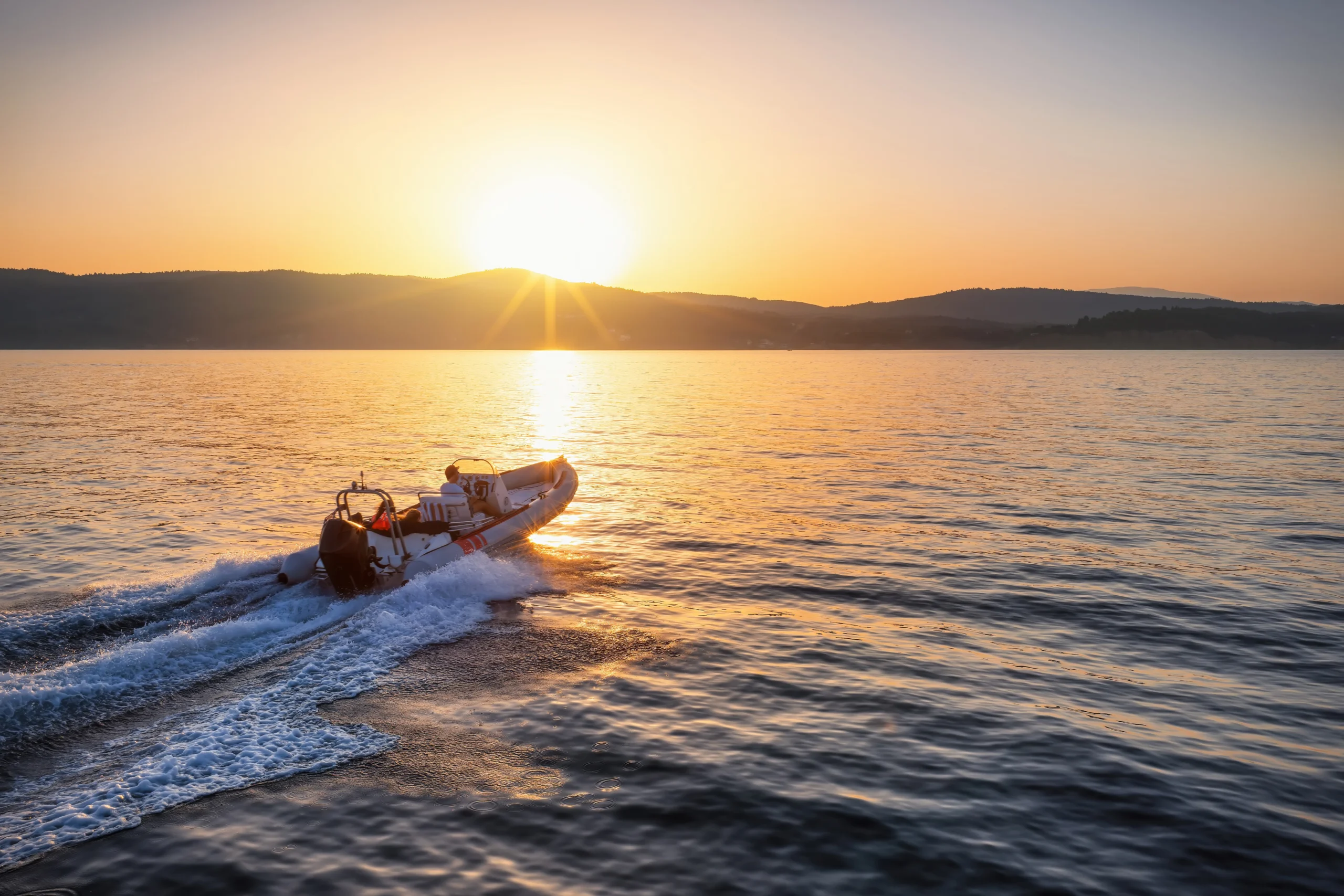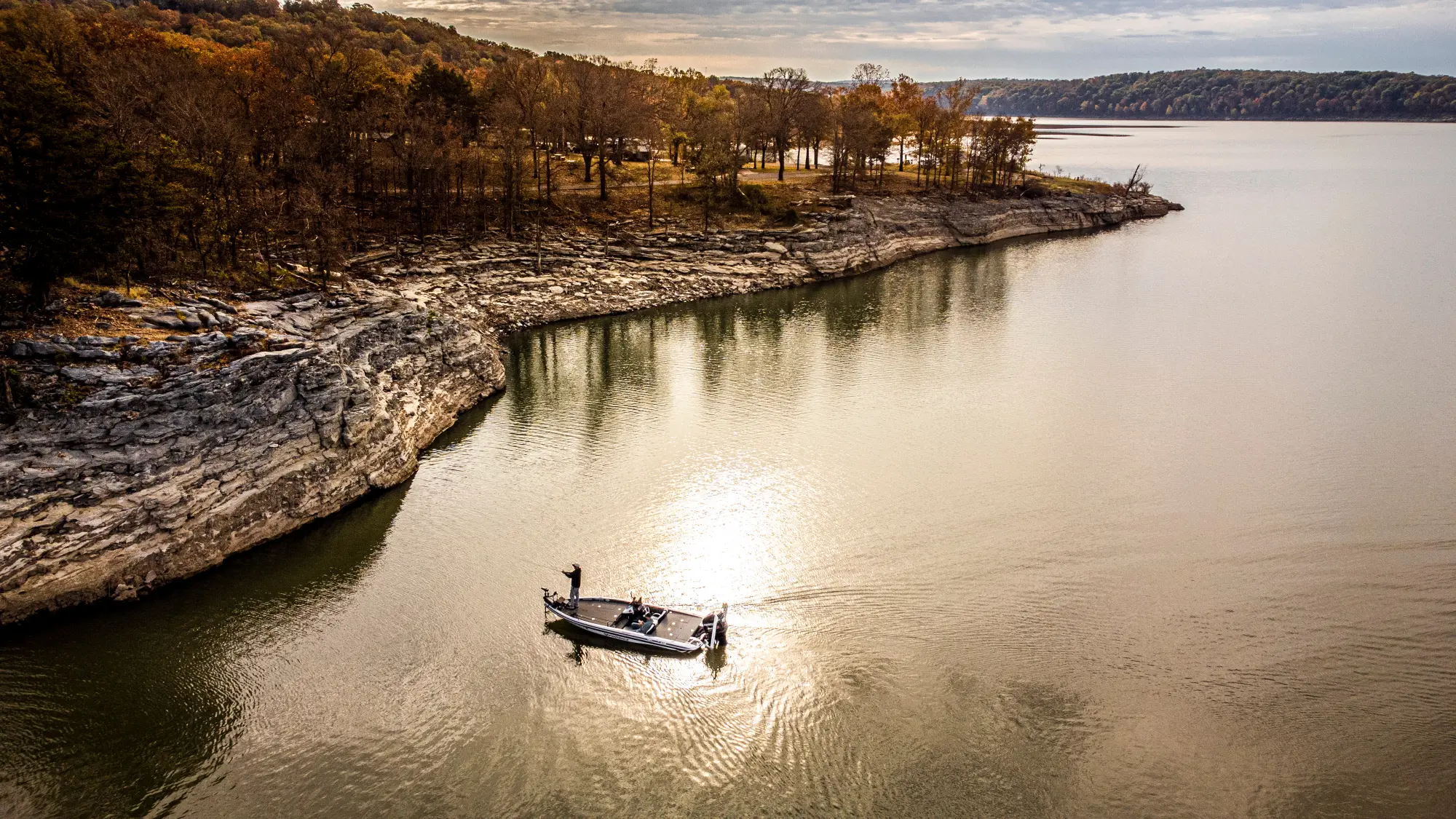
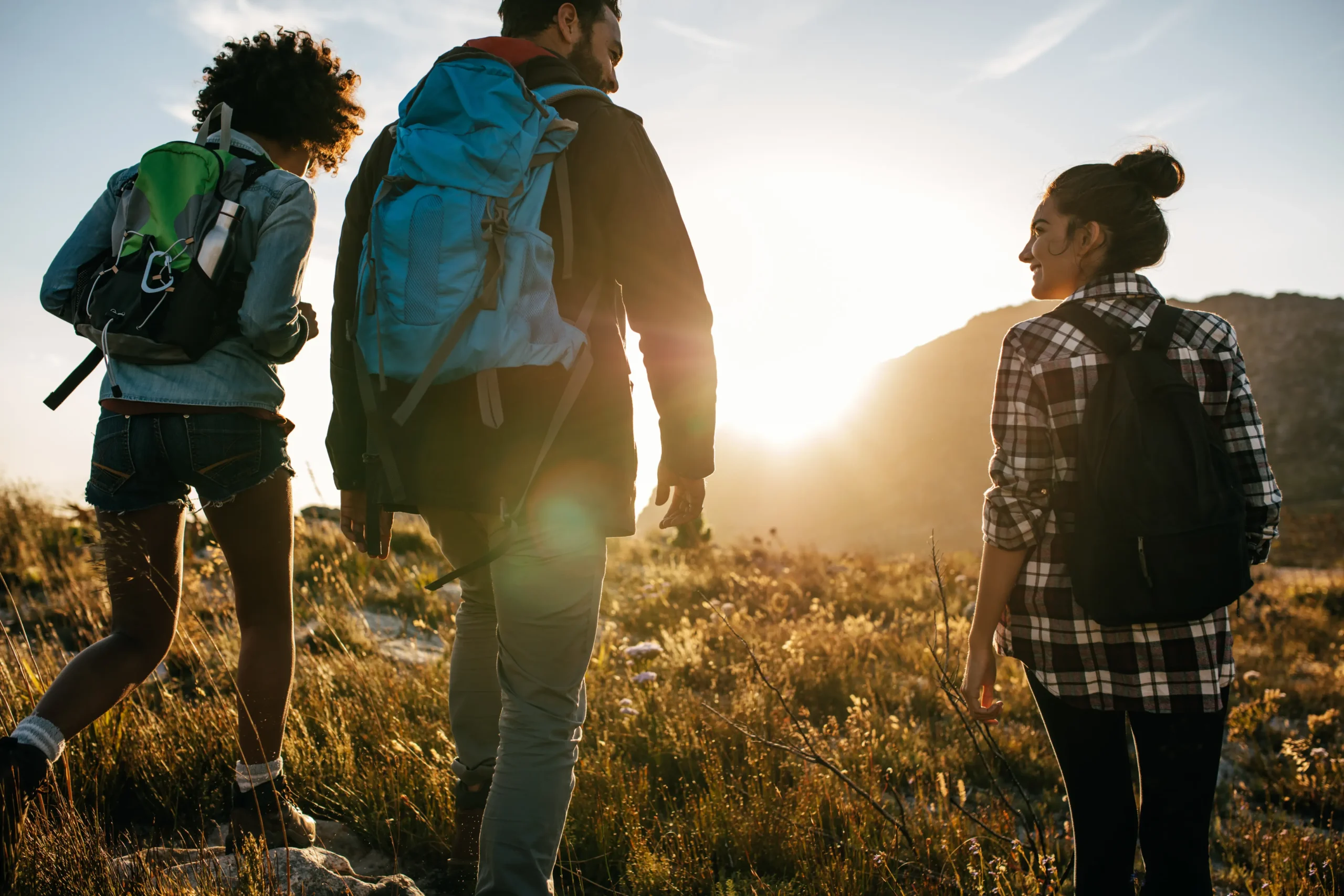
The era of the whirlwind road trip-10 cities, 12 nights, one stressed-out family-is fading. In its place is a quieter, more intentional approach taking over: the Base Camp Strategy. Park once, explore deeply, and return relaxed.
What is the Base Camp Strategy?
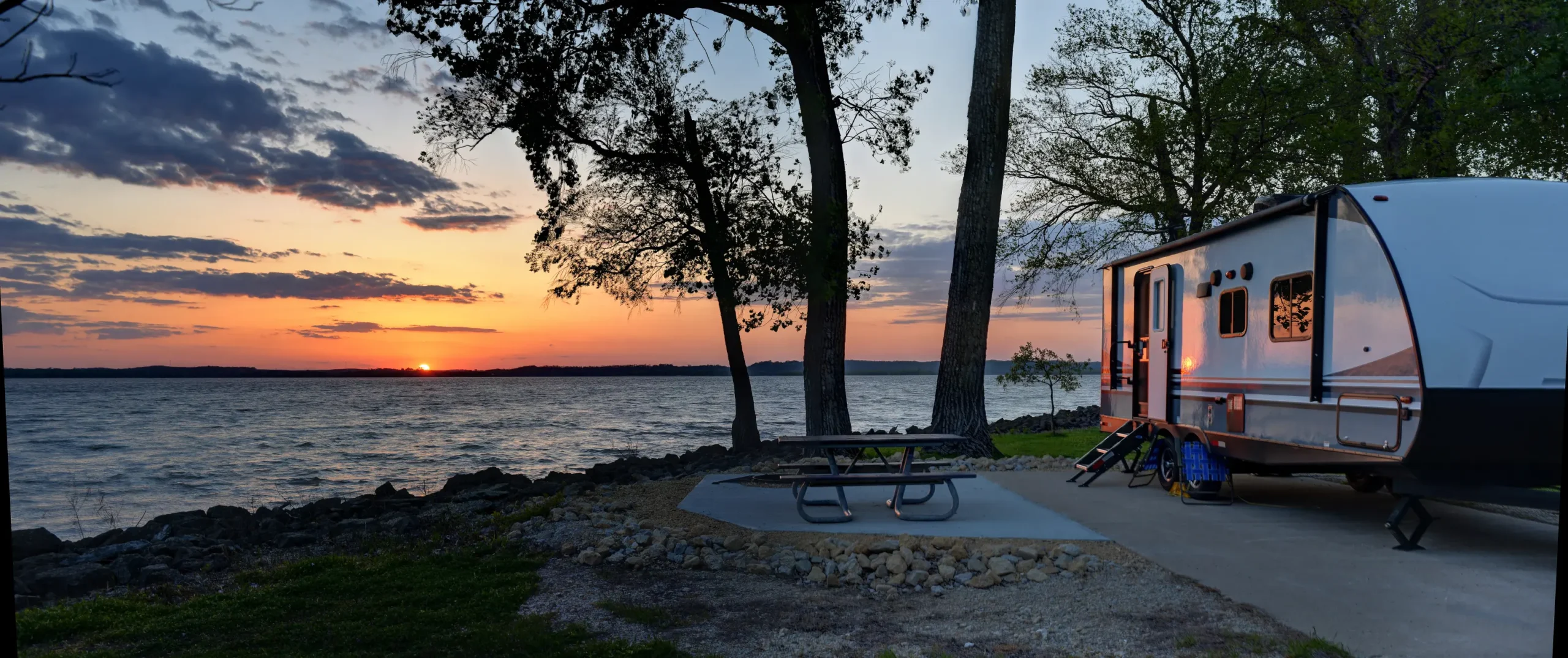
This strategy is one where you park your rig at a campground, RV park, or scenic pull-through and use your tow vehicle or toad to make daily excursions into the surrounding area. Instead of spending your vacation constantly setting up, tearing down, and hunting for the next campsite, you invest that time and energy into actually experiencing the place you came to see.
Think of it like a mountaineer's base camp. It’s a stable, familiar home you return to each night after a big day out. The rig stays put. You go explore. You come back. Repeat for a week.
It's a deceptively simple shift in mindset, but it changes everything about how a trip feels and how much it costs.
Why the Shift is Happening Now
The Base Camp Strategy isn't new, but it's having a major cultural moment in 2026. Here's why:
Travel fatigue is real. Post-pandemic, millions of people over-planned their vacations to make up for lost time. Exhausting itineraries became the norm, and a lot of travelers came home more depleted than when they left. The pendulum is swinging hard toward intentionality where there’s fewer experiences done better, not more experiences done halfway.
Fuel costs reward fewer miles. Every mile you haul a fully loaded RV or pull a trailer costs real money. Staying in one region and making short day trips in a lighter tow vehicle can cut your fuel spend dramatically compared to a multi-stop run across several states.
The slow travel movement is mainstream now. Travel content creators who spend a week genuinely knowing one place, rather than snapping a photo and moving on have built massive audiences. The aspirational traveler of 2026 isn't trying to hit every national park in one summer. They want to actually feel like they've been somewhere.
Families and retirees are leading the charge. For families with kids, setting up and breaking camp every single day is logistically exhausting. For retirees, the appeal of a stable home base with level ground, good hookups, and familiar neighbors is hard to compete with. Both groups have realized that less movement means more enjoyment.
Remote work changed the math. A growing segment of the RV and boating community works remotely. For them, spending two or three weeks in one scenic location isn't just enjoyable, it's practical. Work in the morning, adventure in the afternoon, campfire and rest at night.
Base Camp Vs. Traditional Road Trip
Not sure which style fits your travel personality? Here's how they stack up side by side:
Setup & Teardown
- Traditional: You're setting up and breaking camp every one to two days. Leveling, hooking up utilities, deploying slideouts and awnings, then reversing all of it the next morning.
- Base Camp: You set up once on arrival day. Everything else is day trips. That's it.
Fuel Cost
- Traditional: High. Long driving days between distant stops add up fast, especially when you're hauling a heavy rig.
- Base Camp: Minimal after arrival. Day excursions in your tow vehicle cover short distances at a fraction of the fuel cost.
Stress Level
- Traditional: Elevated throughout. Every day brings new logistics like route planning, arrival windows, campsite unknowns, and the constant pressure of sticking to a schedule.
- Base Camp: Largely stress-free after day one. Within 48 hours you know your site, your neighbors, and your surroundings.
Depth of Experience
- Traditional: Shallow by design. You're passing through places, not experiencing them.
- Base Camp: Deep and lasting. You find the waterfall that isn't in any guidebook on day four because you had time to ask a local about it.
Cost
- Traditional: Higher overall when you factor in fuel, multiple site fees at nightly rates, and the wear on your rig from constant travel.
- Base Camp: Most RV parks and campgrounds offer weekly or extended-stay rates at 10–20% below nightly pricing. Combined with dramatically lower fuel costs, the savings add up fast.
Flexibility
- Traditional: Constrained by reservations, driving windows, and a fixed schedule that punishes spontaneity.
- Base Camp: More flexible than it sounds. Your daily agenda is completely open. You can sleep in, change plans, and stay out later. Nothing is riding on what time you leave.
How to Choose Your Perfect Base Camp Destination
The anchor point you choose makes or breaks a base camp trip. Here's what to look for:
The day-trip radius rule. Your base camp should put you within one to two hours of the things you want to do. That's the sweet spot. Push past two hours each way and your day trips start feeling like road trips, which defeats the whole purpose.
Amenities matter more when you're staying longer. Look for full hookups (water, electric, sewer), reliable Wi-Fi if you need it, laundry facilities, and ideally some on-site recreation. A pool, a dog park, a fire pit area are small comforts that become your evening retreat after a full day of adventuring.
Time your stay right. Research peak season versus shoulder season for your target destination. A base camp in Moab in July is miserable. The same location in October is unforgettable. Shoulder season typically means better weather, thinner crowds, and lower site rates.
Know what kind of traveler you are. A base camp built for an adventure couple looks nothing like one built for a family with a toddler or a retired couple looking for scenic relaxation. Define your priorities first, then let them guide your search.
Base Camp Travel by Vehicle Type
The base camp model works across virtually every type of recreational vehicle:
RVs & Motorhomes: The ultimate base camp platform. Drive your home to the destination, park it, and deploy your toad for all daily excursions. Full hookups, all your gear, total comfort. Come back each evening to a leveled rig with dinner ready in your own kitchen.
Towable Trailers & Fifth Wheels: Once you unhitch, your tow vehicle is completely free. Park the trailer, drop the stabilizers, connect utilities, and your truck or SUV becomes a day-trip machine. It’s easy to park, easy on fuel, and ready to go anywhere within reach.
Vans & Overlanders: Converted cargo vans and overlanding rigs are natural base campers. Park at a dispersed site or developed campground, and spend your days on trails and back roads. The rig stays. You roam.
Top Base Camp Destinations for 2026
Great Smoky Mountains, Tennessee - America's most-visited national park is ringed by charming mountain towns, waterfalls, scenic drives, and more hiking trails than you can cover in a month. Base camp near Gatlinburg or Bryson City for easy access to all of it.
Moab, Utah - Red rock country at its finest. Arches National Park, Canyonlands, the Colorado River, and legendary off-road trails are all within a short drive. Visit in spring or fall.
Texas Hill Country - Wildflowers, swimming holes, wineries, and live music. Base camp near Fredericksburg or Kerrville and you're within reach of Enchanted Rock, Luckenbach, and the Frio River.
Glacier Country, Montana - One of the most dramatic landscapes in North America. Going-to-the-Sun Road, Lake McDonald, and miles of backcountry access from a base camp near Whitefish or Columbia Falls.
Outer Banks, North Carolina - Beaches, lighthouses, wild horses, and maritime history. The OBX is built for base camping — long and narrow, with new discoveries up and down the barrier islands every day.
Black Hills, South Dakota - Mount Rushmore is just the beginning. Custer State Park, Crazy Horse Memorial, Deadwood, and Spearfish Canyon make this one of the most underrated base camp regions in the country.
How to Finance Your Base Camp Getaway
The base camp strategy works best when you own your platform. Renting covers you in a pinch, but ownership is where the long-term value lives; you control your schedule, your setup, and your costs.
At My Financing USA, we specialize in RV and boat financing built around real people with real budgets. Whether you're eyeing a Class C motorhome, a fifth wheel, or a travel trailer, we can help you find the right loan with competitive rates and flexible terms.
Ready to own the rig that makes it all possible? Apply for financing at My Financing USA and start planning your first base camp adventure.
FAQs:
What is the minimum credit score required to qualify for a loan?
We can work with credit scores as low as 550. Our programs are designed to help customers across a wide range of credit situations, including those with past credit challenges.
How long are the loan terms available?
We offer loan terms of up to 20 years, giving you the flexibility to choose a repayment schedule that works best for your budget and goals.
What is the minimum loan amount I can apply for?
Our loan starts at $10k. This applies to both dealer and private party purchases.
What interest rates do you offer?
What types of purchases are eligible for financing?
We finance both dealer and private party purchases and can approve loans for LLCs, trusts, and full-time RVers. We do not finance park models or schoolies..
Can I finance and RV or boat if I'm a full-time traveler?
Yes. We offer financing options designed for full-time RVers and boaters.