Memorial Day weekend is one of the biggest travel weekends of the year and for RV owners, it's practically a holiday tradition. The open road is calling, the campgrounds are filling up fast, and the long weekend is just around the corner. But with millions of travelers hitting the highway at the same time, gas prices spiking at peak demand, and campsite availability tightening by the day, a little advance planning can save you a lot of money, and a lot of headaches.
Whether you're planning your first Memorial Day RV trip or you've been doing this for years, this guide breaks down how to stretch your travel budget without sacrificing the adventure. From fuel efficiency tips to smart route choices, including one of America's most iconic drives, here's everything you need to hit the road with confidence this Memorial Day weekend.

Why Memorial Day Is Peak RV Season
Memorial Day weekend traditionally kicks off the summer travel season, and for good reason. It’s typically the first long weekend of warm weather, schools are winding down, and the campgrounds have fully reopened after winter. RV owners in particular tend to treat it as their "season opener," pulling the rig out of storage, doing a quick walkthrough, and heading for their favorite destination.
That surge in demand has real consequences for your wallet. Fuel prices tend to climb heading into Memorial Day. Campground fees at popular destinations go up too, and booking availability near national parks and popular routes like Route 66 can be slim if you wait too long.
The good news? Most of these costs are manageable with a little foresight. Knowing how to fuel efficiently, route smart, and plan ahead can make the difference between a trip that strains your budget and one that leaves you plenty of room for a great meal or two along the way.
Planning Your Budget Before You Leave the Driveway
Before you touch the steering wheel, sit down and run through your trip budget. RV travel can be surprisingly affordable compared to hotels and flights, but only if you go in with a plan. Here are the main cost categories to account for:
Fuel
Fuel is typically the single biggest expense on any RV road trip. Your fuel budget will depend on your RV's miles per gallon, the current price of gas or diesel in the regions you're traveling through, and your total mileage. Build in a buffer — fuel prices can vary widely from state to state, and driving in mountainous terrain or headwinds will reduce your efficiency.
A good rule of thumb: calculate your route mileage, divide by your RV's realistic MPG, multiply by the average current fuel price for your route, and then add 15–20% as a buffer for detours, idling, and unexpected stops.
Curious on how you can save even more on fuel? Check out our partnership with Open Roads to see how you get a discount at the pump.
Campsite and Hookup Fees
Full-hookup sites at popular campgrounds during Memorial Day weekend can run anywhere from modest to surprisingly steep, depending on location and amenities. Boondocking are free options worth exploring if you're comfortable without hookups for a night or two.
Book as early as possible for popular destinations. Campground availability around Memorial Day fills up weeks in advance, especially for sites near Route 66, national parks, and coastal areas.
Food and Dining
One of the best perks of RV travel is the kitchen on board. Cooking most of your meals inside the RV instead of dining out every night can save a significant amount over a long weekend and it's half the fun. Budget for a solid grocery run before you leave, and save the restaurant stops for the places that are worth it.
Maintenance and Emergency Fund
Mechanical issues have a way of showing up at the worst times. Before any long trip, run through your pre-departure checklist — check your tires, fluid levels, belts, and lights. And always keep a small emergency fund set aside for unexpected repairs or roadside assistance. It's one of those things you hope to never need and are very glad to have when you do.
Learn more about why you should get RV Roadside Assistance on our blog.

Fuel Efficiency Tips for RVs and Towing Vehicles
Fuel efficiency is one of the easiest areas to improve with a few habits and a bit of planning. Here's how to get the most miles out of every tank:
Slow Down
This is the single most effective thing you can do. RVs are large, boxy, and not aerodynamic — and fuel consumption climbs steeply as speed increases. Dropping your highway speed from 70 mph to 60 mph can meaningfully improve your fuel economy. It also makes for a more relaxed drive, which is kind of the point.
Learn more about how to optimize your gas spending on our blog.
Check Your Tire Pressure
Under-inflated tires increase rolling resistance, which burns more fuel. Check all tire pressures (including the spare) before you leave and at each stop. Refer to your RV manufacturer's recommended PSI for the ideal operating pressure.
Reduce Your Load
Every extra pound your RV hauls costs you fuel. Go through your rig before the trip and pull out anything you don't need. Heavy items like full water tanks, extra furniture, and gear you haven't touched since last year add up quickly. Only fill your fresh water tank to what you'll actually need if you're stopping at hookup sites along the way.
Plan Your Driving Around Traffic
Memorial Day traffic is significant on major interstates, and stop-and-go conditions absolutely crush fuel economy. Leaving early in the morning (think before 6 a.m.) or timing your driving to avoid peak congestion windows can dramatically reduce your fuel consumption and your stress level.
Use Cruise Control on Flat Stretches
On flat, open stretches of highway, cruise control maintains a steady speed and prevents the gradual creep upward that often happens on long drives. Consistent speed = better fuel economy. That said, disengage it in hilly terrain, the system will often over-accelerate to maintain speed on climbs, which wastes fuel.
Minimize Idling
An idling RV engine burns fuel without moving you anywhere. If you're parked and waiting, turn the engine off. In hot weather, plan stops at shaded areas or use your generator for climate control rather than idling the main engine.
Smart Route Planning: Get There Without Breaking the Bank
Where you drive matters almost as much as how you drive. Smart route planning can save you fuel, reduce time on the road, and lead you to more interesting stops along the way.
Avoid Major Metropolitan Corridors During Peak Hours
Interstates running through large cities — think I-10 through Los Angeles, I-95 through the Mid-Atlantic corridor, I-95 through Florida — are notoriously congested on Memorial Day weekend. If your route takes you through a major city, try to schedule that leg of your drive for late at night or early morning to avoid the worst of it.
Use State Routes and US Highways as Alternatives
Two-lane state routes and classic US highways often run parallel to interstates and offer scenic, less-congested alternatives. You'll find better gas prices at small-town stations, more interesting stops, and far less traffic. Routes like US-50 (often called "The Loneliest Road in America") across Nevada, or US-2 through the northern plains, are legendary among RV travelers for exactly this reason.
Plan Your Fuel Stops in Advance
Don't wait until your tank is low to start looking for a station. In rural areas, especially in the Southwest along Route 66 stretches, gas stations can be far apart, and prices at isolated stations are often higher.
We break down how to plan gas stops on a road trip on our blog. Check it out!
Consider Driving in Legs
Long driving days are exhausting and hard on fuel efficiency. Breaking your trip into manageable daily legs — say 250 to 350 miles per day — keeps you from pushing the throttle to make up time, gives you a better experience of the places you're passing through, and is much safer.

Driving Route 66: The Ultimate Memorial Day Road Trip
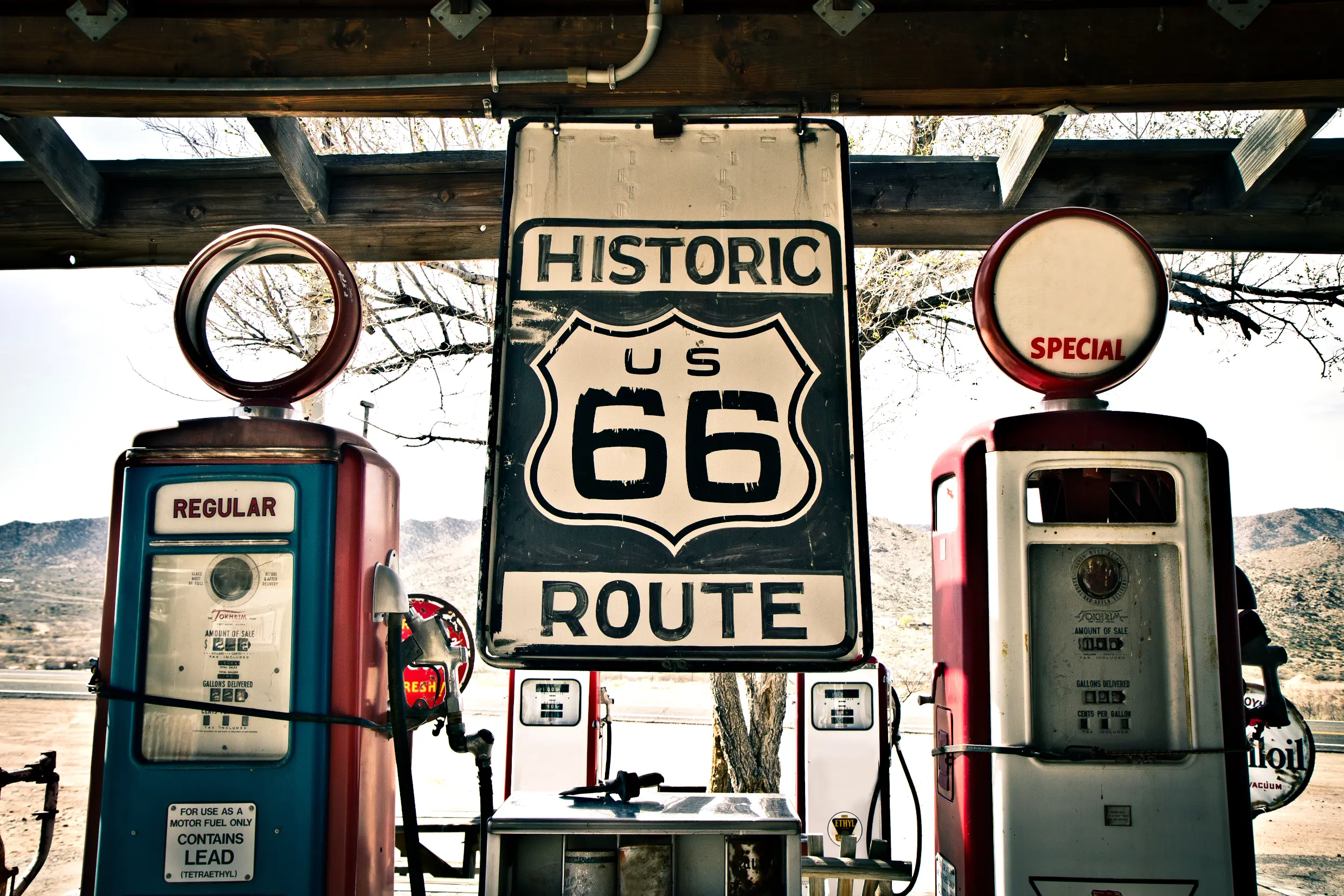
If you're looking for a Memorial Day road trip that lives up to the occasion, Route 66 is as good as it gets. Stretching from Chicago, Illinois to Santa Monica, California, it’s one of America's most storied drives, and it's tailor-made for the pace and scale of RV travel.
Memorial Day weekend falls at one of the best times of year to drive Route 66. The desert Southwest is warm but not yet scorching, the towns along the route are lively with the start of tourist season, and the landscapes from the Great Plains into the Painted Desert are genuinely spectacular.
Campground and Lodging Costs: What to Expect
Campground pricing on Memorial Day weekend reflects peak demand, and it's worth understanding what you're paying for before you book.
Full-hookup RV sites at private campgrounds and RV parks near popular destinations command the highest rates. The amenities (electricity, water, sewer, often Wi-Fi and pool access) justify the cost for many travelers, especially on a longer trip.
Partial hookup or dry camping sites at state parks are typically less expensive and often in beautiful natural settings. You'll need to manage your tanks more carefully, but the tradeoff is usually worth it.
Boondocking is free, but requires more planning. You'll need full tanks and enough battery and solar capacity to be self-sufficient. It's not the right choice for everyone, but experienced RV travelers often swear by it.
KOA and national chain campgrounds are a reliable middle-ground option. Pricing is consistent, amenities are standardized, and their booking systems are easy to use. Loyalty programs like KOA Rewards can reduce costs if you travel frequently.
Book early. Memorial Day is not the weekend to wing it on campground availability, especially at destinations along Route 66, near national parks, or in popular coastal areas.

Ready to Hit the Road?
Memorial Day is one of the best times of year to be out on the open road in an RV, and with some thoughtful planning, it doesn't have to be one of the most expensive. Knowing your fuel costs in advance, planning your route, and booking your campsites early can make a significant difference in what you spend and in how much you enjoy the trip.
Whether you're in a Class A motorhome, a travel trailer, or a pop-up camper, the principles are the same: slow down, plan ahead, and enjoy the ride.
If you're thinking about upgrading your rig before Memorial Day, or getting into RV travel for the first time, My Financing USA can help you find the right financing to make it happen. We work with a network of lenders to find competitive RV loan rates for all credit profiles, from excellent to challenged. Our team does the legwork so you can focus on planning the adventure.
Explore RV Financing Options →
Fill out our quick online application and one of our financing specialists will reach out with your options. There's no obligation, and it only takes a few minutes to get started.
Happy travels — see you on the road.
FAQs:
What is the minimum credit score required to qualify for a loan?
We can work with credit scores as low as 550. Our programs are designed to help customers across a wide range of credit situations, including those with past credit challenges.
How long are the loan terms available?
We offer loan terms of up to 20 years, giving you the flexibility to choose a repayment schedule that works best for your budget and goals.
What is the minimum loan amount I can apply for?
Our loan starts at $10k. This applies to both dealer and private party purchases.
What interest rates do you offer?
What types of purchases are eligible for financing?
We finance both dealer and private party purchases and can approve loans for LLCs, trusts, and full-time RVers. We do not finance park models or schoolies..
Can I finance and RV or boat if I'm a full-time traveler?
Yes. We offer financing options designed for full-time RVers and boaters.