The math on owning a boat has shifted in 2026. Fuel costs keep climbing, scheduled service intervals keep arriving, and a generation of hybrid propulsion systems has finally moved past the early-adopter phase. The technology is no longer reserved for million-dollar superyachts — it is showing up on production boats buyers can finance like any other vessel.
What is hybrid boat propulsion?
Hybrid boat propulsion combines a traditional combustion engine (gas or diesel) with an electric motor and battery pack on the same boat. The onboard system decides when to run each power source, blending them at cruising speed and switching to electric-only mode in no-wake zones, harbors, and marinas. The result is a boat that burns less fuel, runs quieter at low speed, and puts fewer hours on the combustion engine.
The biggest fuel and noise savings show up below planing speed. If you spend most of your time idling out of a slip, easing through a no-wake channel, or trolling, electric mode does the work and the gas engine stays off. Open-water runs at full throttle still rely on the combustion engine, so the system is most valuable for owners whose typical day on the water includes a lot of low-speed operation.
Which 2026 hybrid boats are leading the market?
Volvo Penta's new yacht hybrid, the Pearl 100 Hybrid, and the Greenline 42 are the three releases setting the pace for hybrid boat propulsion in 2026. The production lineup now spans [LINK: guide to the different types of boats] catamarans, motoryachts, and cruisers, where two years ago the category was effectively limited to one-off prototypes.
Volvo Penta hybrid for yachts
Volvo Penta released a new marine hybrid system aimed at the yacht segment, integrating an electric motor and battery pack with its diesel sterndrive platform. The pitch is straightforward: keep the open-water performance owners expect, add silent electric operation for harbors and overnight stays at anchor.
Pearl 100 Hybrid
The Pearl 100 includes its hybrid system as standard equipment rather than as an optional upgrade package. That decision matters because it bakes the powertrain into the boat's base price and resale value instead of leaving it as a check-box add-on a future buyer might discount.
Greenline 42
The Greenline 42 catamaran pairs twin diesel motors with electric drives, built for quiet operation in harbors and coastal cruising. Catamarans have been an early proving ground for hybrid systems because their wider hulls handle the added weight of battery banks well, and their cruising profile of long hours at moderate speed is exactly where hybrids deliver the biggest fuel savings.
How much can a hybrid boat actually save you on fuel and maintenance?
Real fuel savings depend on how much of your time on the water happens below planing speed. Owners who spend a meaningful share of their hours at idle, no-wake, or trolling speeds can see double-digit percentage reductions in annual fuel burn compared to a comparable gas or diesel boat without an electric drive. Owners who only run wide open in open water see less of a gap, because the combustion engine is doing the same work either way.
Maintenance is the quieter half of the savings story. Hybrid systems reduce hours on the combustion engine, which translates directly to longer intervals between oil changes, impeller replacements, and major service. Regenerative capture during deceleration takes some load off mechanical components as well, and fewer combustion hours typically means lower annual maintenance spend.
It is worth being honest about the other side of the ledger. Hybrid systems carry a higher upfront cost than a comparable conventional boat, and they add their own service items battery health checks, electric drive inspections that need to be factored in. The break-even point on the premium depends on how you use the boat and how long you plan to keep it.
Is a hybrid boat the right fit for how you use the water?
Hybrid propulsion pays back fastest for owners with a specific usage pattern. The clearest match is the boater who:
- Runs out of a busy harbor or marina where idle and no-wake stretches add up over the season
- Cruises coastal waters and stops frequently rather than running long open-water passages
- Spends overnight time at anchor and would otherwise leave a generator running
- Plans to keep the boat seven years or longer, which gives the upfront premium time to amortize
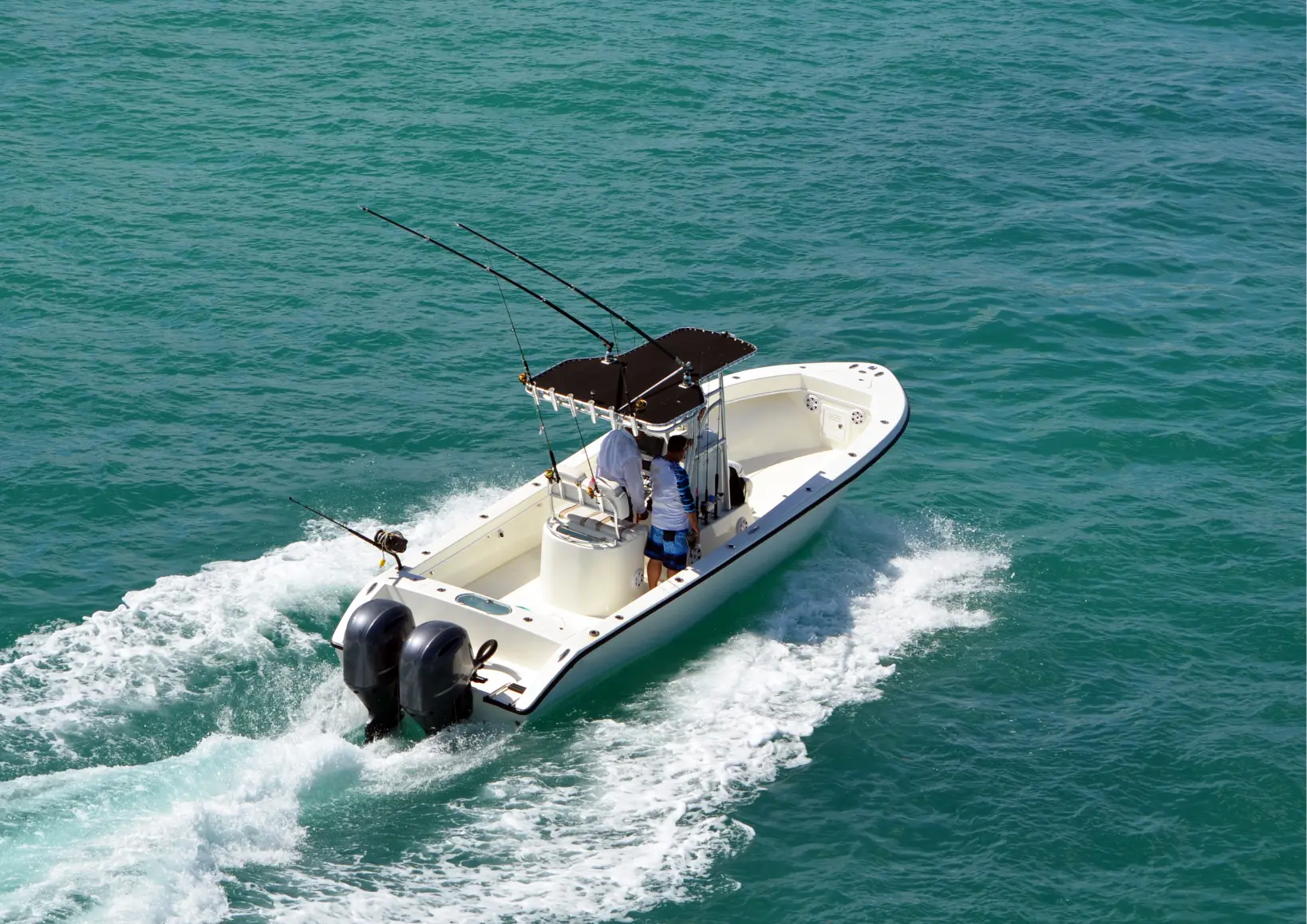
The weaker case is the offshore center console owner running 40-plus miles to the fishing grounds at wide-open throttle. The combustion engine carries that load either way, and the electric system adds weight without much fuel-savings payoff for that use case. Match the boat to how you actually use the water, not how you imagine you might use it.
How do you finance a hybrid boat?
Hybrid boats finance like any other boat, but the higher upfront cost makes loan structure matter more. A longer term lowers the monthly payment and gives the fuel and maintenance savings room to offset it; a shorter term builds equity faster but raises the payment.
My Financing USA works with a variety of credit profiles starting at 550 and finances dealer and private-party purchases along with LLC and trust ownership.
The right number to focus on is total cost of ownership over the time you plan to keep the boat, not the sticker price on day one.
Apply for a boat loan with My Financing USA today. The application takes about five minutes. Apply Now
FAQs:
What is the minimum credit score required to qualify for a loan?
We can work with credit scores as low as 550. Our programs are designed to help customers across a wide range of credit situations, including those with past credit challenges.
How long are the loan terms available?
We offer loan terms of up to 20 years, giving you the flexibility to choose a repayment schedule that works best for your budget and goals.
What is the minimum loan amount I can apply for?
Our loan starts at $10k. This applies to both dealer and private party purchases.
What interest rates do you offer?
What types of purchases are eligible for financing?
We finance both dealer and private party purchases and can approve loans for LLCs, trusts, and full-time RVers. We do not finance park models or schoolies..
Can I finance and RV or boat if I'm a full-time traveler?
Yes. We offer financing options designed for full-time RVers and boaters.